Neurodevelopmental conditions
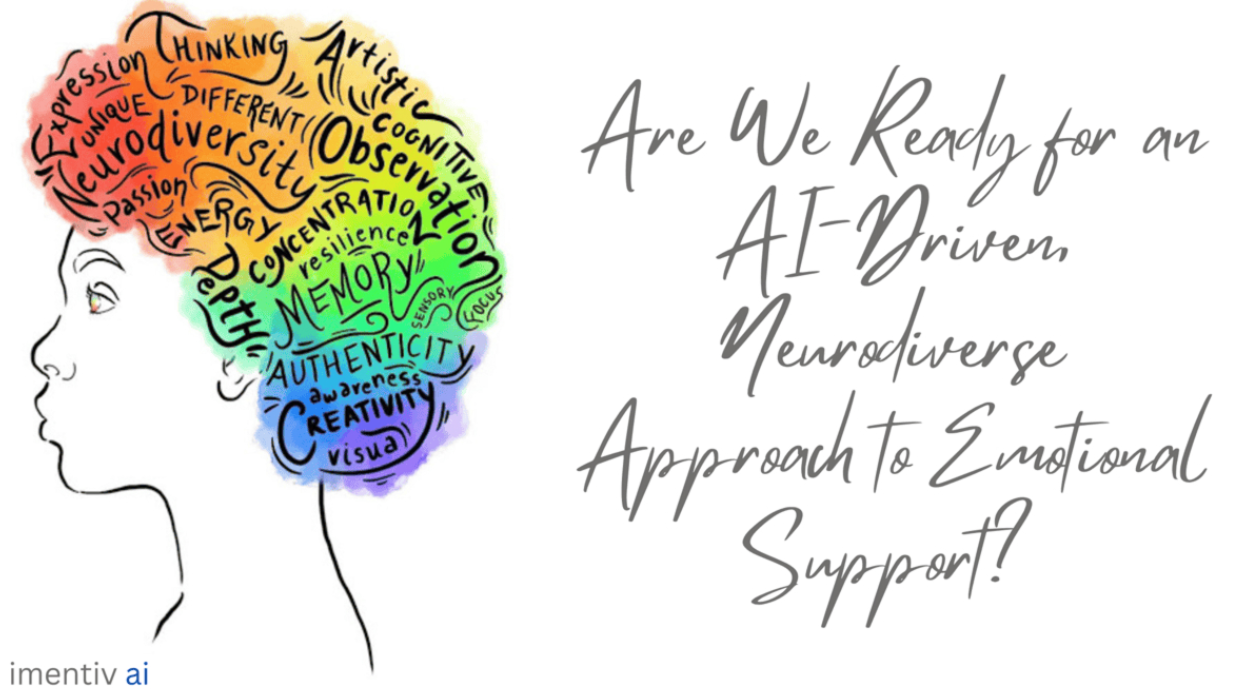
Understanding Neurodevelopmental Conditions
Neurodevelopmental conditions arise when the brain’s developmental processes differ from typical patterns. These differences may affect attention, learning capacity, sensory processing, emotional responses, or communication abilities. The conditions are usually identified in childhood, although some individuals may receive diagnoses later in life.
Common characteristics include:
- Difficulties with attention, impulse control, or hyperactivity
- Challenges in communication or social interaction
- Learning differences that affect reading, writing, or mathematics
- Variations in motor coordination or sensory processing
- Differences in emotional regulation and behavioral responses
These conditions exist on a spectrum, meaning the intensity and expression of symptoms vary significantly from person to person.
Examples of Neurodevelopmental Conditions
Several well-known conditions fall within this category:
- Autism Spectrum Disorder – characterized by differences in social communication, sensory processing, and patterns of behavior or interests.
- Attention-Deficit/Hyperactivity Disorder – involves persistent patterns of inattention, impulsivity, and hyperactivity that interfere with daily functioning.
- Intellectual Disability – involves limitations in intellectual functioning and adaptive behavior.
- Specific Learning Disorder – affects academic skills such as reading, writing, or mathematics despite typical intelligence and educational exposure.
Early identification and supportive interventions can significantly improve developmental outcomes and quality of life.
Neurodevelopmental Conditions and Emotional Expression
Children and adults with neurodevelopmental conditions may express emotions differently from typical developmental patterns. Differences can appear in:
- Facial expression and eye contact
- Vocal tone and speech rhythm
- Emotional regulation during social interaction
- Sensory responses to environmental stimuli
Understanding these differences is crucial because emotional signals may be subtle, atypical, or misunderstood in traditional observational settings.
Understanding Neurodevelopmental Conditions Through Emotion AI
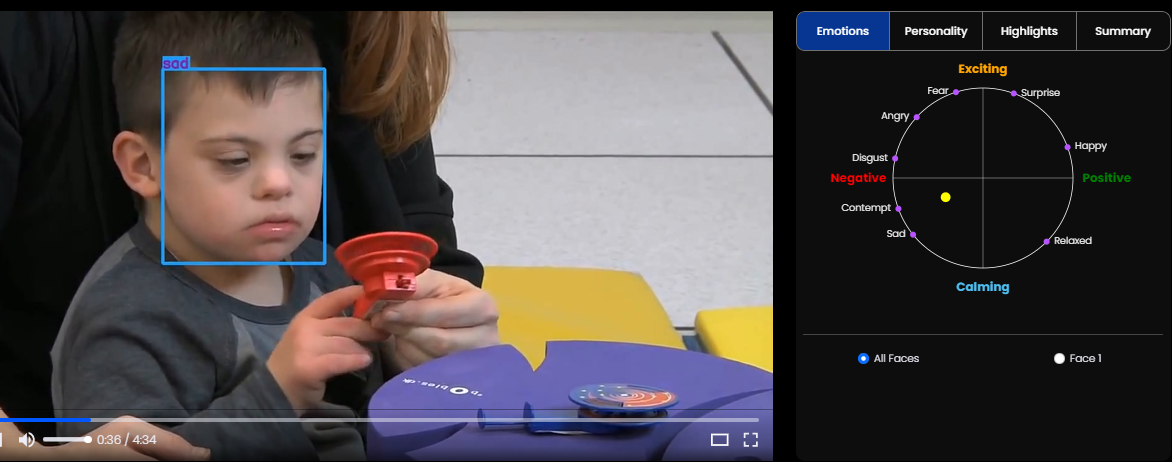
Emotion AI offers a new approach to studying emotional and behavioral patterns associated with neurodevelopmental conditions. By analyzing multiple data sources simultaneously, it can identify emotional signals that may otherwise be difficult to detect.
Emotion AI systems can analyze:
- Facial expressions to detect subtle emotional cues or atypical expression patterns
- Vocal tone and speech patterns to observe emotional variability or stress indicators
- Language and text to identify emotional themes in communication
- Behavioral trends over time, helping researchers understand emotional development patterns
Imentiv AI integrates facial expression analysis, speech emotion recognition, and text-based emotion analysis to generate deeper insights into emotional processing and communication differences.
Why Understanding Neurodevelopment Matters
Recognizing neurodevelopmental conditions helps educators, clinicians, and families provide environments that support learning, communication, and emotional well-being. When developmental differences are understood early, interventions such as behavioral therapy, educational accommodations, and supportive technologies can promote independence and improve quality of life.
Emotion AI tools may further support research and assessment by offering objective emotional insights, complementing clinical observation and psychological evaluation.