Emotion AI and Neurodiversity: Unlocking New Possibilities for Understanding and Support
Introduction: A New Era of Emotional Understanding
The 21st century has ushered in a significant paradigm shift in how we view and support neurodiversity . As inclusivity gains traction in education, healthcare, and workplaces, there’s a growing acknowledgment of the unique needs and strengths of neurodivergent individuals . However, a persistent challenge remains in how we can better understand, support, and foster emotional communication for those whose experiences often fall outside neurotypical frameworks.
Enter Emotion AI (also known as Affective Computing ), a groundbreaking technology that decodes human emotions across facial expression , vocal tones , written text , and even personality traits . Emotion AI doesn’t just interpret emotions; it facilitates a deeper understanding that can lead to tailored interventions, improved communication, and emotional support, especially for neurodivergent populations.
This blog explores the intersection of Emotion AI and neurodiversity , unpacking how this technology can be leveraged to unlock potential, promote emotional well-being, and foster inclusion.
Understanding Neurodiversity: Beyond the Conventional Lens
What Is Neurodiversity?
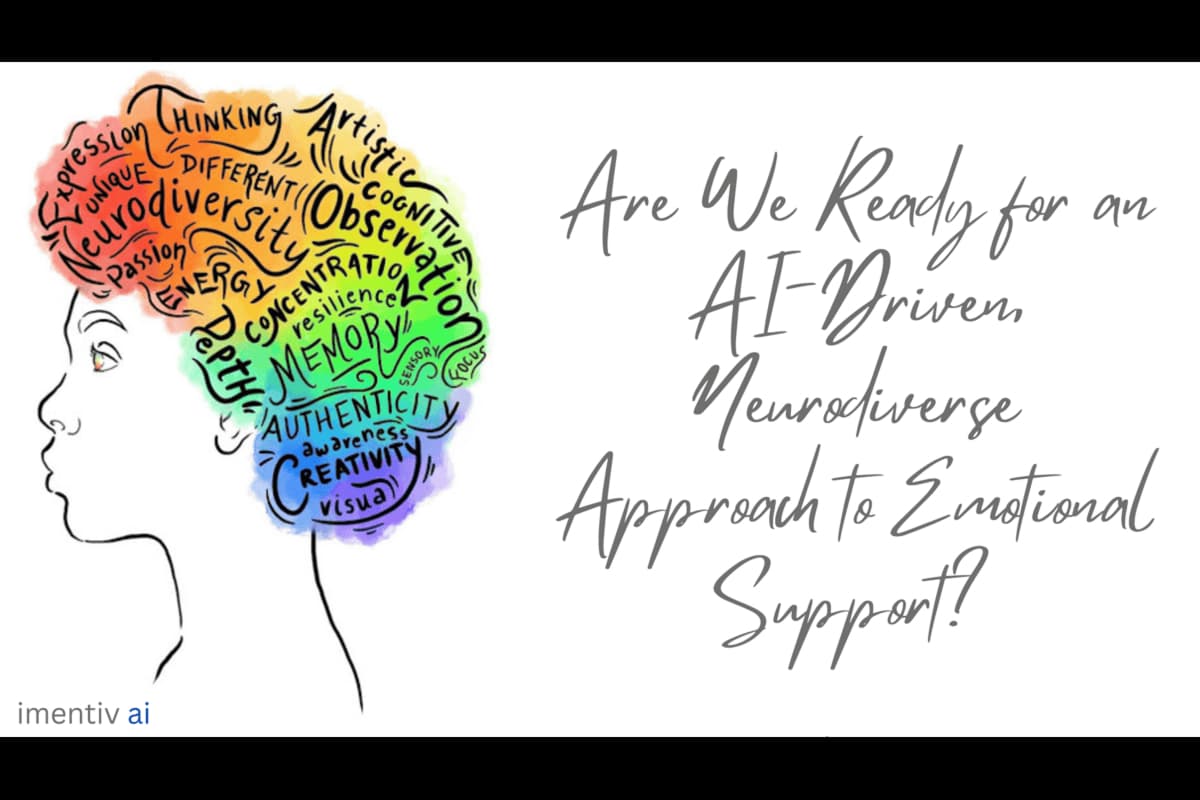
Neurodiversity is a concept that views neurological differences, such as autism, ADHD, dyslexia, dyspraxia, and Tourette’s syndrome, not as deficits but as variations of the human mind. Sociologist Judy Singer coined the term in the 1990s. It shifts the narrative from pathology to diversity.
The Emotional Communication Gap
Many neurodivergent individuals process and express emotions differently:
- People with autism may exhibit reduced or atypical facial expressions, even when experiencing strong emotions.
- Those with ADHD often grapple with emotional dysregulation, experiencing emotions more intensely
- Dyslexic individuals may struggle with written emotional expression due to language processing difficulties.
These differences can lead to:
- Misunderstandings in social situations
- Emotional isolation
- Barriers to education and employment
- Mental health challenges, including anxiety and depression
What Is Emotion AI? A Deep Dive into Affective Computing
Emotion AI , or Affective Computing , refers to technologies that detect, interpret, and respond to human emotions. By analyzing visual , auditory , textual , and behavioral data, Emotion AI provides insights into a person’s emotional state in real time.
Core Components of Emotion AI
1. Facial Emotion Recognition
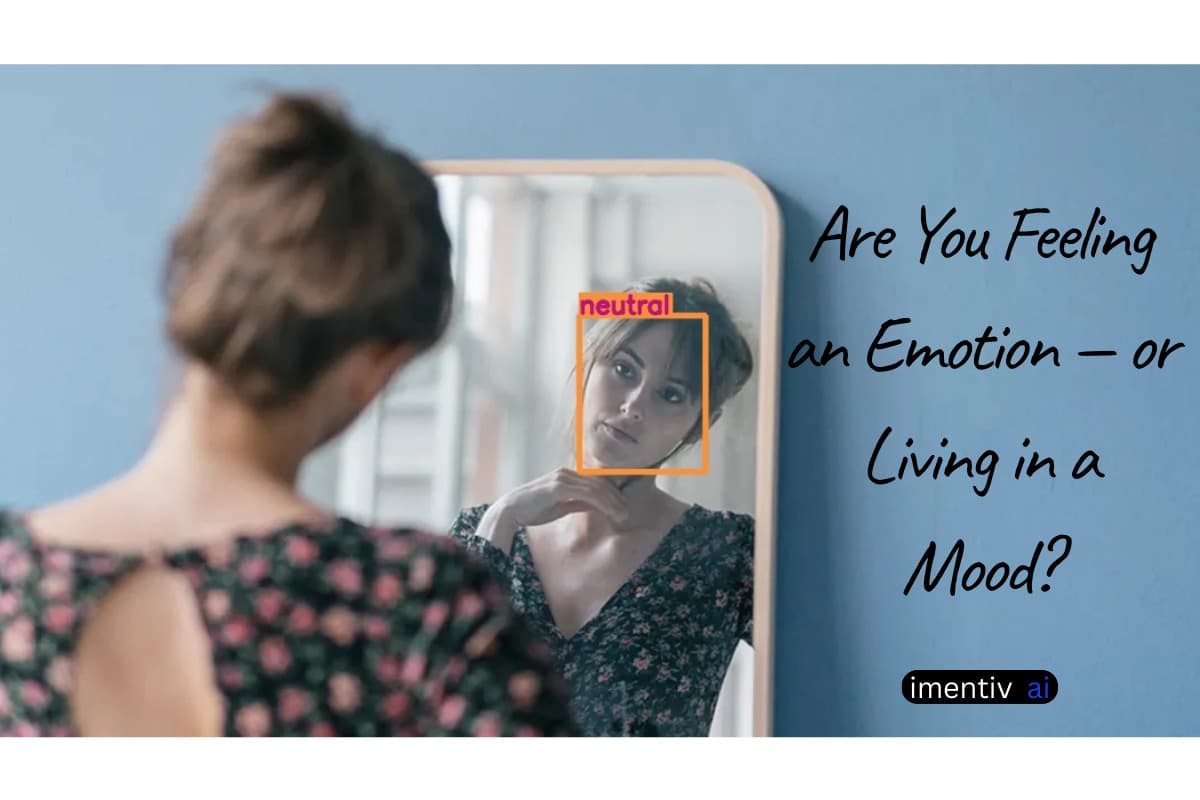
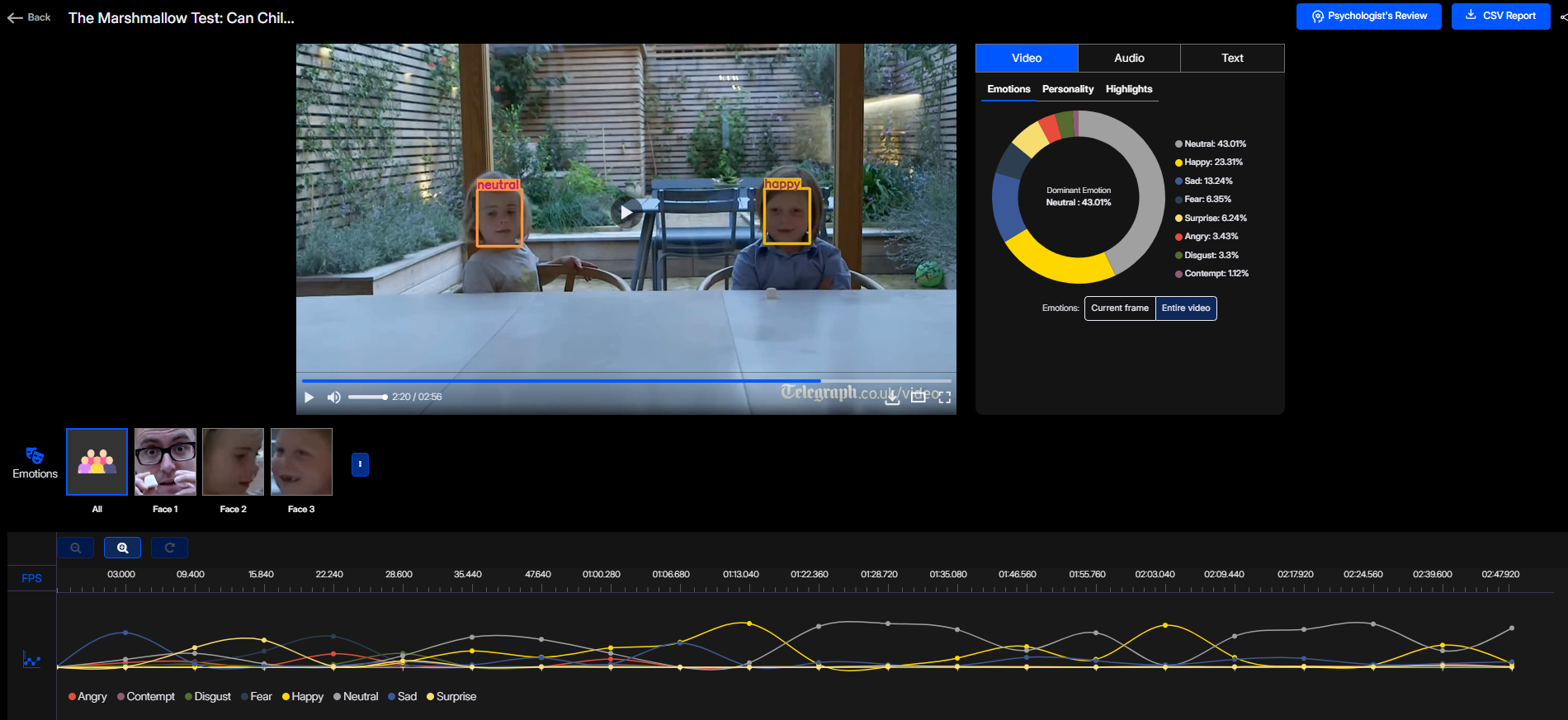
Uses computer vision and machine learning to analyze microexpressions , eye movement , facial muscle activity , and head posture . This technology decodes subtle cues that indicate emotions such as joy, sadness, anger, fear, contempt, and surprise.
Use case for neurodiversity : Assists in interpreting facial expressions when individuals may struggle with nonverbal communication.
2. Audio Emotion Analysis
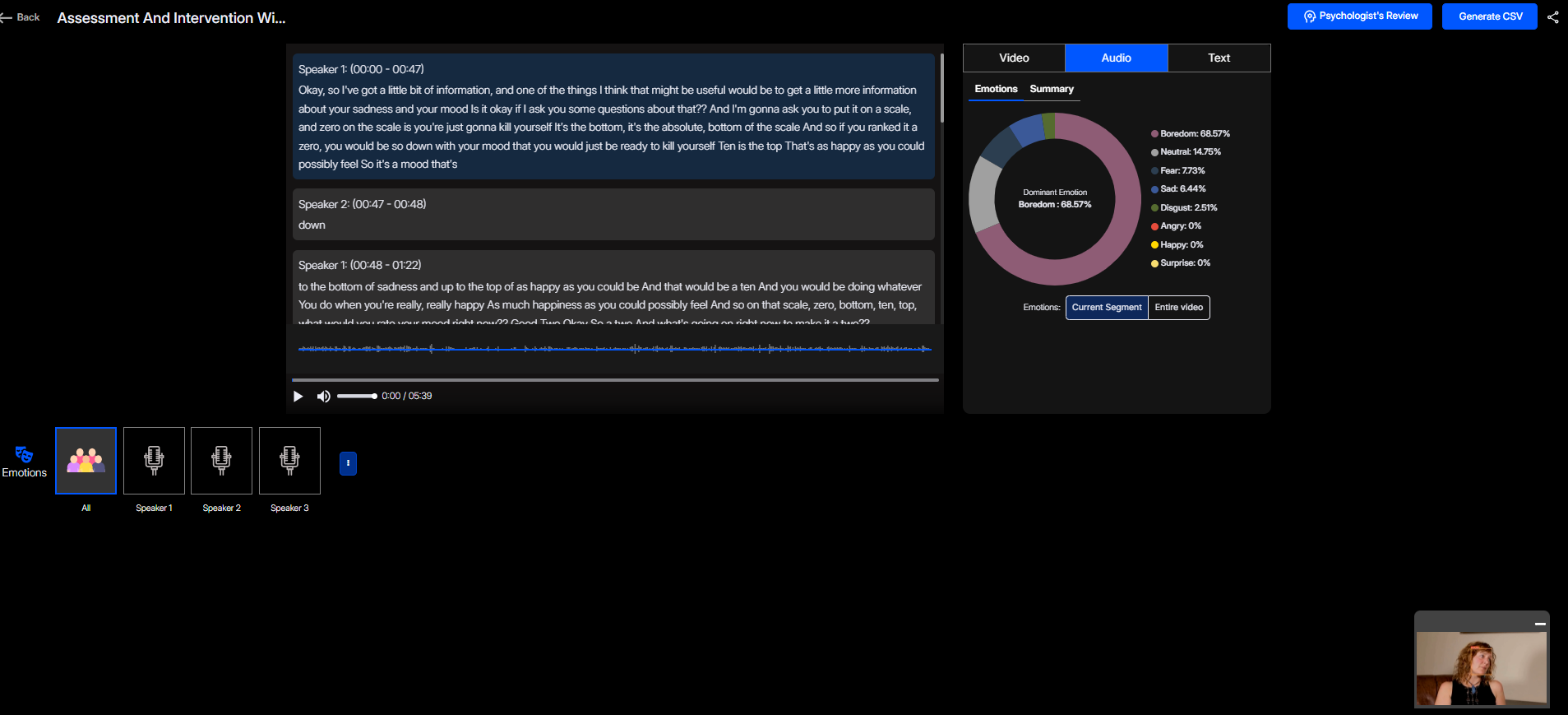
Analyzes vocal properties such as tone , pitch , tempo , and prosody to detect emotional undertones in speech.
Use case for neurodiversity : Identifies emotional distress in speech when verbal cues may not align with expressed emotions.
3. Text Emotion Analysis
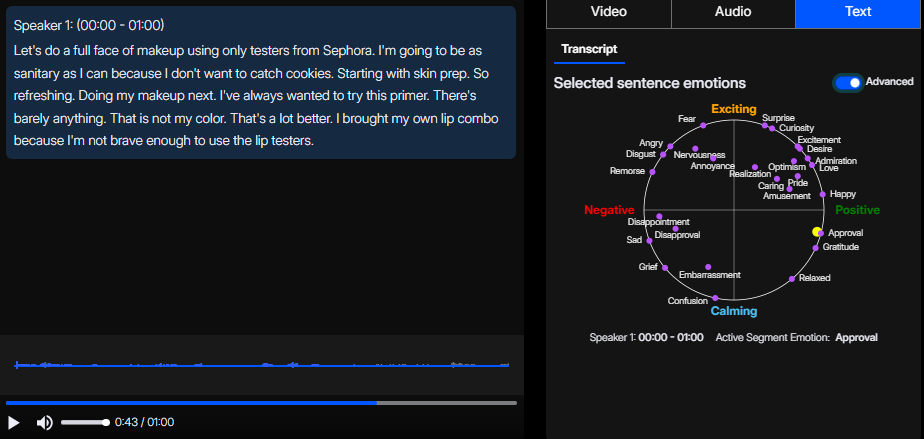
Uses Natural Language Processing (NLP) to analyze written or transcribed text, uncovering emotional sentiment, intention, and tone. Use case for neurodiversity : Helps in understanding the emotional context in written communication where literal interpretations might miss emotional nuance.
4. Personality Insights from Multimodal Data
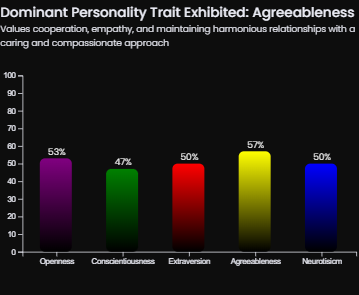
Combines behavioral data (facial, audio, text) to infer Big Five personality traits , openness, conscientiousness, extraversion, agreeableness, and neuroticism. Use case for neurodiversity : Supports personalized learning or therapeutic interventions by understanding personality dynamics.
How Emotion AI Supports Neurodivergent Individuals: Practical Applications
1. Enhancing Self-Awareness and Emotional Regulation
For individuals with conditions like autism or ADHD , recognizing their own emotional states can be challenging. Emotion AI tools can provide real-time feedback on emotional expressions, aiding self-monitoring and emotional regulation strategies.
Example: An Emotion AI system detects rising frustration during a learning task. It prompts the user to take a break or engage in a calming activity, preventing emotional escalation.
2. Facilitating Social Communication
Neurodivergent individuals often find it difficult to interpret others' emotions. Emotion AI can act as a social translator , offering cues about conversational partners’ emotions and suggesting appropriate responses .
Example: In an educational setting, Emotion AI tools help a student with autism by providing visual indicators (happy, confused, bored) of the teacher’s tone or classmates’ reactions, fostering improved social engagement.
3. Personalized Learning and Workplace Support
By analyzing emotional and personality data, Emotion AI helps customize educational content and work tasks to match the emotional and cognitive preferences of neurodivergent individuals.
Example: An Emotion AI-powered learning platform identifies stress and boredom in real time, adjusting content delivery speed or offering breaks. In the workplace, it informs managers on how to structure tasks for employees with ADHD to maximize focus and minimize overwhelm.
4. Mental Health Monitoring and Support
Emotion AI can identify signs of anxiety , depression , or emotional burnout early by tracking facial expressions , voice tone , and written communication , allowing for timely intervention .
Example: In teletherapy, Emotion AI tools analyze microexpressions and vocal tones during virtual sessions, providing therapists with additional emotional insights to tailor treatment.
Ethical and Practical Principles for Implementing Emotion AI in Neurodiversity Support
1. Inclusivity in Design
Involve neurodivergent individuals in the design and testing of Emotion AI tools to ensure relevance , accessibility , and usability .
2. Customization and Personalization
Recognize that emotional expression varies widely. Emotion AI systems must be adaptive to individual communication styles, avoiding “one-size-fits-all” models.
3. Privacy and Security
Emotional data is sensitive. Strict data protection protocols , anonymization , and user control over data sharing are essential to maintain trust .
4. Transparency and Consent
Users should be informed about:
- What data is being collected
- How it will be used
- Their rights to opt in/out Informed consent is critical, especially in therapeutic and educational settings.
5. Bias Mitigation
Ensure diverse training datasets to prevent misinterpretation of neurodivergent emotional expressions. Regular audits and updates to AI models can minimize biases.
A Case Example: Emotion AI in Action with Imentiv
A real-world application of Emotion AI by Imentiv AI showcases how multimodal emotional analysis can provide comprehensive emotional profiles .
Summary of the Analysis
- Facial Expression Analysis : Predominantly neutral with flashes of positive emotion, suggesting emotional balance with subtle external expression.
- Audio Emotion Analysis : Higher levels of positive tone, suggesting optimism not entirely reflected in facial cues.
- Text Emotion Analysis : High gratitude and admiration, indicating openness and positivity.
- Personality Insights : High agreeableness and openness , traits that reflect empathy, creativity, and adaptability.
What This Means for Neurodivergent Support
This multimodal insight highlights the complexity of emotional expression often observed in neurodivergent individuals. Such analyses enable:
- Deeper understanding of emotional experience, beyond surface cues
- Customized interventions to support emotional regulation and communication.
- Increased empathy and improved interaction from educators, employers, and caregivers.
How Emotion AI Integration Transforms Neurodiversity Support
For Education
- Emotionally responsive classrooms that adjust based on student engagement
- Feedback loops that help neurodivergent students monitor their own emotions.
- Tools for teachers to better understand student emotional states.
For Healthcare and Mental Health
- Enhanced teletherapy with real-time emotion insights
- Continuous mental health monitoring to detect early signs of emotional distress.
- Personalized interventions based on personality and emotional data.
The Future of Emotion AI in Neurodiversity
The future holds immense promise for Emotion AI as an enabler of neurodiversity inclusion:
Conclusion: Empathy Meets Technology
Emotion AI offers unprecedented opportunities to bridge emotional gaps , foster understanding , and promote emotional well-being for neurodivergent individuals. When used ethically and inclusively, this technology becomes more than a tool, it becomes a catalyst for empathy , connection , and empowerment .
By embracing Emotion AI, we’re not just building smarter technologies; we’re creating a more compassionate world where neurodiversity is understood, celebrated, and supported.
Neurodiversity deserves more than surface-level understanding. Imentiv AI decodes the emotions behind every expression, voice, and word, so you can support people the way they truly need. Start your free analysis today and bring deeper emotional understanding to the people who need it most. 👉 Try imentiv AI free