Psychotherapy

How Psychotherapy Works
Psychotherapy is not just “talking about problems.” It is a structured process grounded in psychological theory, research, and clinical skill. Different approaches focus on different aspects of human experience:
- Cognitive and behavioral patterns — Approaches like Cognitive Behavioral Therapy (CBT), developed by Aaron Beck, help individuals identify unhelpful thought patterns and behaviors, then replace them with healthier alternatives.
- Emotional insight and past experiences — Psychodynamic therapies, influenced by early work from Sigmund Freud, explore how past relationships and unconscious processes shape present emotions.
- Humanistic growth and self-understanding — Person-centered therapy, pioneered by Carl Rogers, emphasizes empathy, acceptance, and personal growth within a supportive therapeutic relationship.
What Psychotherapy Helps With
Psychotherapy supports people facing a wide range of challenges, including:
- Anxiety, depression, and mood disorders
- Trauma and grief
- Relationship and family conflicts
- Workplace stress and burnout
- Identity, self-esteem, and life transitions
Understanding Psychotherapy Through Emotion AI
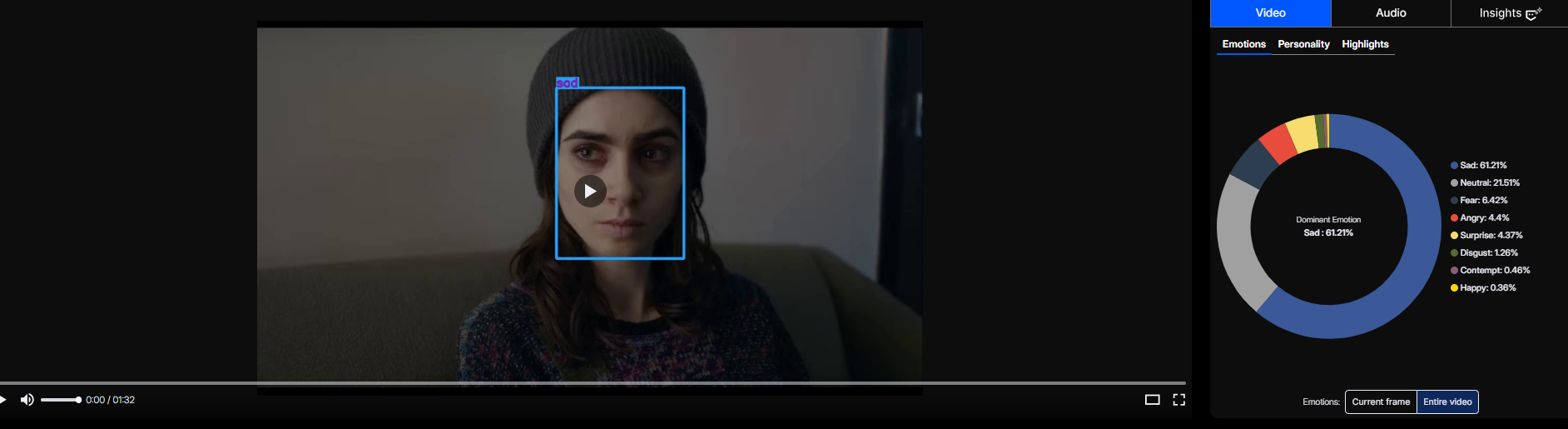
When viewed through the lens of Imentiv AI , psychotherapy becomes more than verbal dialogue, it becomes a rich emotional interaction. Emotion AI systems can analyze:
- Facial expressions that signal subtle shifts in emotional state
- Vocal tone and speech patterns that reflect stress, hesitation, or emotional intensity
- Language use in session transcripts that reveals emotional themes, coping styles, or cognitive distortions
- Emotional trends over time , showing progress, emotional regulation, or recurring triggers
The Role of Emotion AI in Modern Therapeutic Contexts
In research and supervised clinical settings, Emotion AI can help:
- Monitor emotional engagement during therapy
- Identify nonverbal indicators of distress or avoidance
- Support outcome measurement beyond self-report
- Enhance training for therapists through emotional feedback review
Why Psychotherapy Matters
Psychotherapy remains one of the most effective and evidence-supported ways to improve mental health and emotional well-being. It creates a structured space for reflection, healing, and behavioral change. When combined thoughtfully with Emotion AI insights, psychotherapy can evolve into a more emotionally informed, data-enriched process while still honoring the deeply human nature of therapeutic work.