The Integration of AI in Psychotherapy: Harnessing Emotion AI for Mental Health
The integration of artificial intelligence (AI) into psychotherapy is reshaping mental health care, offering tools that enhance how emotions are understood and addressed. A particularly transformative development in this space is Emotion AI, which uses advanced algorithms to analyze emotions across various media inputs, such as video, audio, text, and images. By bringing a data-driven perspective to psychotherapy, Emotion AI allows therapists to gain deeper insights into their clients' emotional states and create more personalized care strategies.
Before delving into how AI is influencing psychotherapy, it’s essential to understand what psychotherapy entails and how innovative technologies like Emotion AI are changing the landscape.
What is Psychotherapy?
Psychotherapy, often referred to as talk therapy, is a process where individuals work with trained mental health professionals to explore thoughts, feelings, and behaviors. The goal is to resolve emotional challenges, develop coping mechanisms, and promote personal growth.
Therapy can take various forms, from cognitive-behavioral therapy (CBT) to somatic techniques, depending on the needs of the client. Innovations like Emotion AI are now augmenting these practices by offering objective analyses of emotional patterns.
For instance, tools powered by Imentiv AI process video content to extract deeper emotional insights. One great example is this Cognitive Behavioral Therapy for Anxiety video, where AI is used to help therapists understand clients' emotional states during anxiety treatment.
What is Emotion AI?
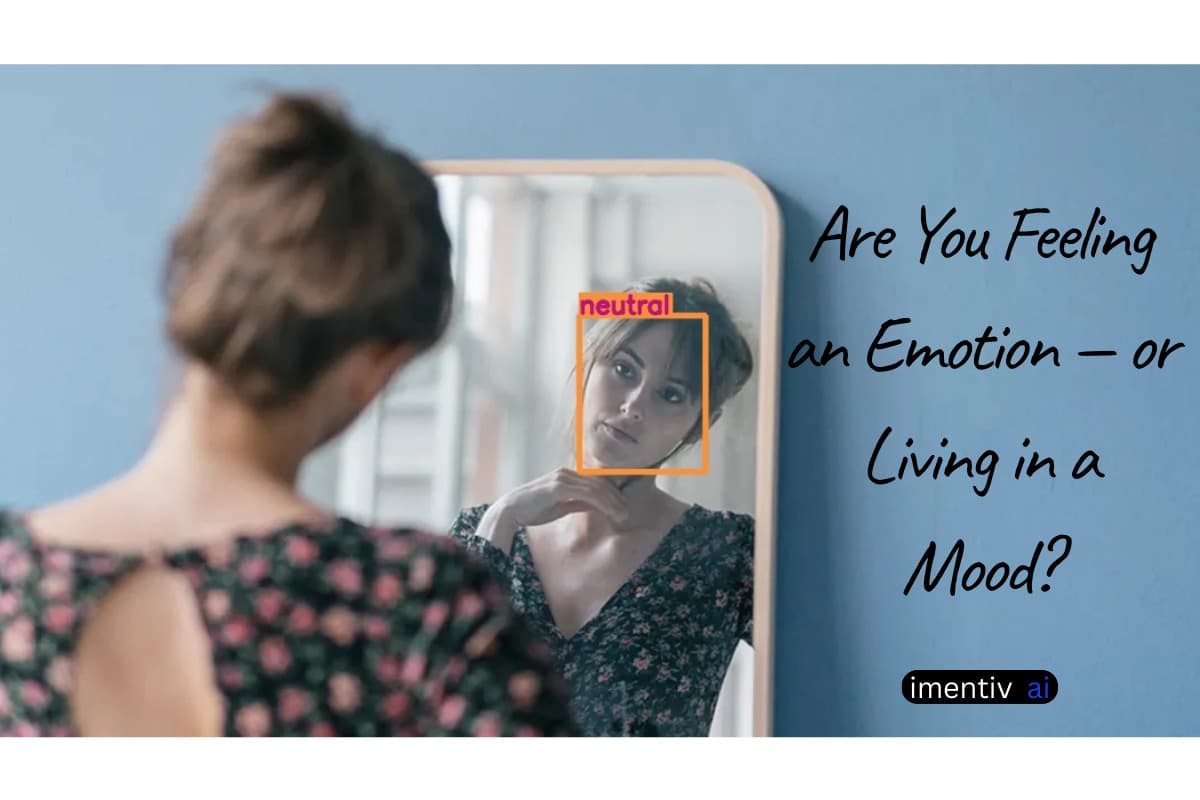
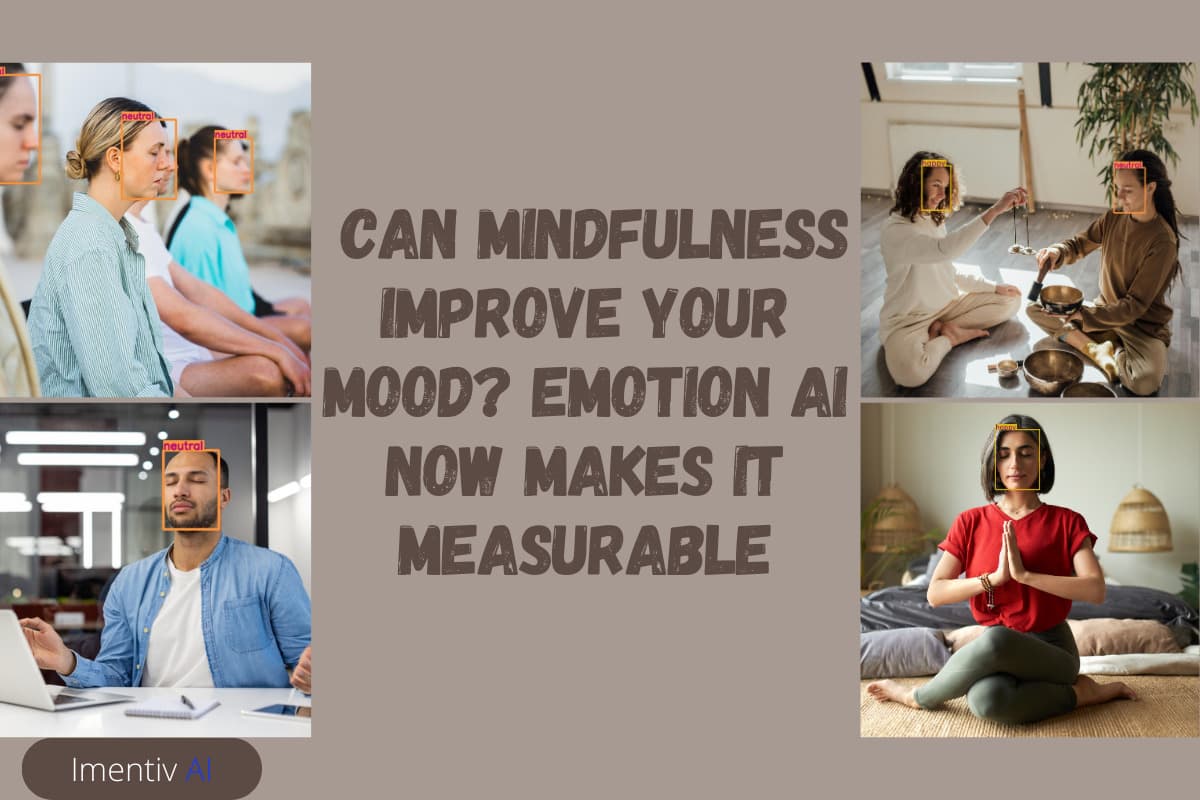
Emotion AI, also known as affective computing, refers to AI systems designed to detect, interpret, and respond to human emotions. It achieves this by analyzing various cues, such as facial expressions, voice tone, written language, and even images, to provide insights into emotional states.
In psychotherapy, this technology offers therapists a powerful ally by uncovering emotional nuances that may go unnoticed during traditional therapy sessions. By using AI to analyze emotions in real-time, therapists can make more informed decisions, helping clients work through their challenges more effectively.
How Emotion AI Analyzes Emotions Across Different Media
Emotion AI can process data from multiple media sources, making it a versatile tool for mental health professionals:
1. Video Analysis
- Emotion AI analyzes microexpressions and facial cues, providing insights into underlying emotions.
- Tools powered by Emotion AI platforms like Imentiv AI go beyond surface-level observations, offering therapists deeper emotional context. Check out this video on Peter Levine’s Somatic Techniques, where such technology enhances somatic therapy practices.
2. Audio Analysis
- By analyzing voice tone, pitch, and speech patterns, Emotion AI can detect emotions like sadness, frustration, or joy.
- Emotion AI platforms like Imentiv AI process real-world clinical cases to uncover emotional nuances from audio data. For an example, see this Clinical Case Study, where AI analyzes speech for deeper emotional understanding.
- Changes in vocal cadence or pauses can indicate anxiety or stress, helping therapists respond appropriately.
3. Text Analysis
- Sentiment analysis tools assess written communication, such as therapy notes, chat logs, or journaling exercises, to identify recurring emotional patterns.
- AI can highlight negative self-talk or shifts in tone over time, guiding therapists in tracking progress.
4. Image Analysis
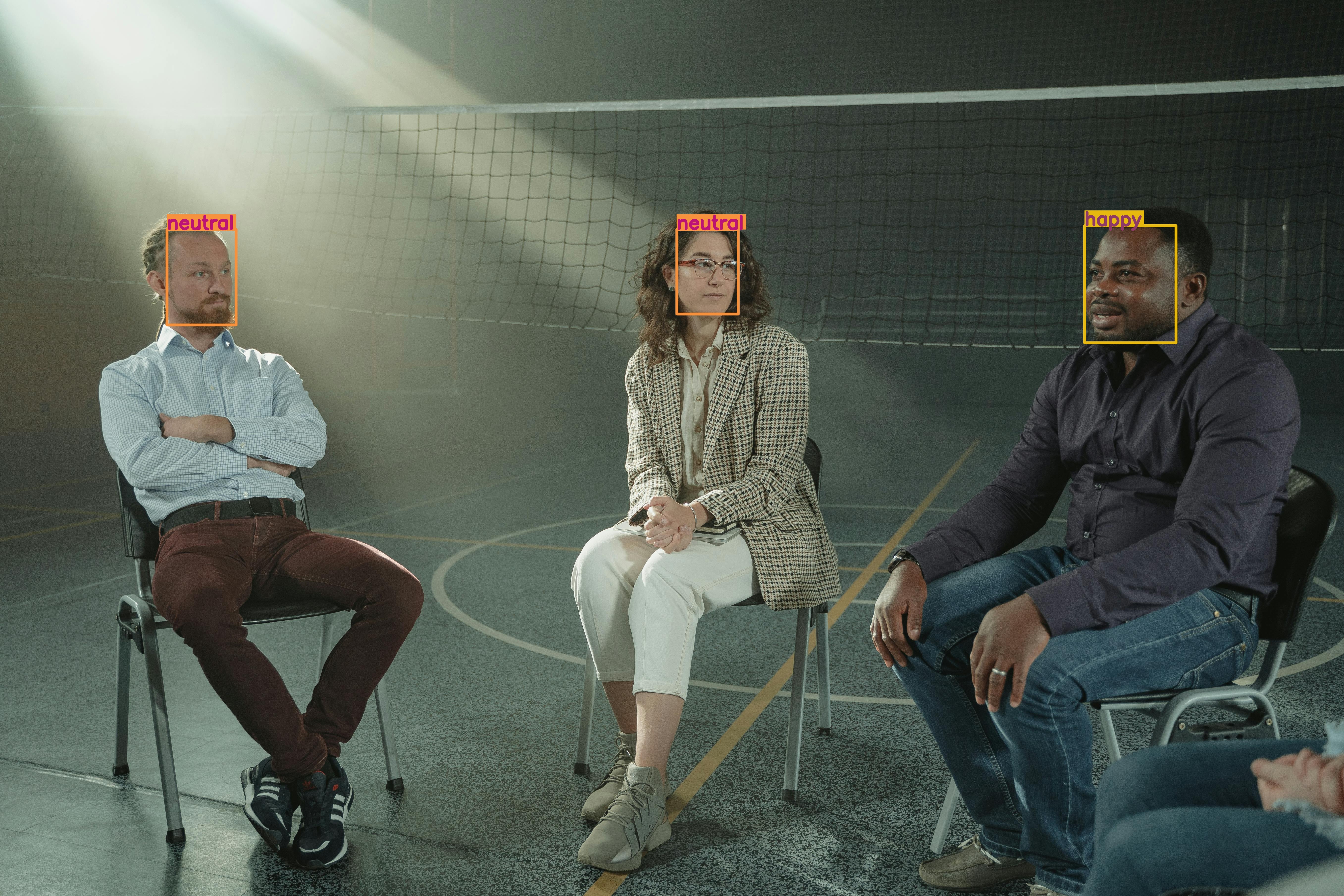
The Role of Emotion AI in Psychotherapy
1. Enhanced Emotional Awareness
Emotion AI equips therapists with real-time insights into clients’ emotions, enabling them to tailor their approach more effectively during sessions.
2. Personalized Treatment Plans
By identifying emotional triggers and recurring patterns, Emotion AI helps create targeted treatment strategies that address clients’ unique needs.
3. Early Detection of Mental Health Issues
Emotion AI can detect subtle emotional shifts that might signal underlying mental health conditions, such as anxiety or depression, allowing for timely intervention.
4. Support for Remote and Digital Therapy
In virtual therapy settings, Emotion AI bridges the gap by analyzing non-verbal cues and emotional patterns that might otherwise be missed.
5. Objective and Consistent Assessments
Human assessments are subject to bias and fatigue. Emotion AI provides a standardized, objective perspective, reducing inconsistencies in emotional evaluations.
Challenges and Ethical Considerations
While the potential of Emotion AI in psychotherapy is transformative, it also raises critical concerns:
- Privacy and Security: Safeguarding sensitive emotional data is paramount to ensure confidentiality
- Ethical Use: AI should support, not replace, human therapists. Misuse or over-reliance on AI could risk dehumanizing the therapeutic experience.
- Bias in AI Models: Ensuring diverse training datasets is crucial to prevent cultural or demographic biases in emotional interpretations.
The Future of AI in Psychotherapy
The integration of AI, particularly Emotion AI, into psychotherapy is still evolving but shows tremendous promise. By leveraging platforms like Imentiv AI, therapists can gain richer insights into their clients' emotional journeys, paving the way for more effective and empathetic care.
As technology continues to advance, AI will play a key role in making psychotherapy more accessible, precise, and personalized. The synergy of human expertise and AI-driven emotional analysis promises a future where mental health care becomes more innovative and impactful than ever before.
Note: Emotion AI is a powerful tool to support psychotherapy, but it is not a replacement for professional care. If you are facing mental health challenges,
always seek guidance from a licensed psychologist or therapist. AI tools should only be used under the supervision of qualified professionals to ensure accurate assessment and effective treatment. Mental health is complex, and expert care is essential for your well-being.