Mental Health Intervention
Mental health interventions are evidence-based methods used to restore, maintain, or enhance mental well-being . They are rooted in psychological theory and clinical practice, addressing conditions like anxiety, depression, trauma, or stress through structured therapeutic engagement. Interventions can be preventive , aiming to build resilience before problems escalate; treatment-focused , helping individuals manage or recover from diagnosed conditions; or rehabilitative , supporting long-term adjustment and coping.
Common psychological interventions include Cognitive Behavioral Therapy (CBT) , Dialectical Behavior Therapy (DBT) , Mindfulness-Based Stress Reduction (MBSR) , and Solution-Focused Brief Therapy (SFBT) . These approaches work by modifying maladaptive thought patterns, improving emotional regulation, and strengthening coping mechanisms. On a larger scale, community and workplace interventions may involve stress management workshops , peer support systems , or organizational wellness programs designed to improve overall mental health outcomes.
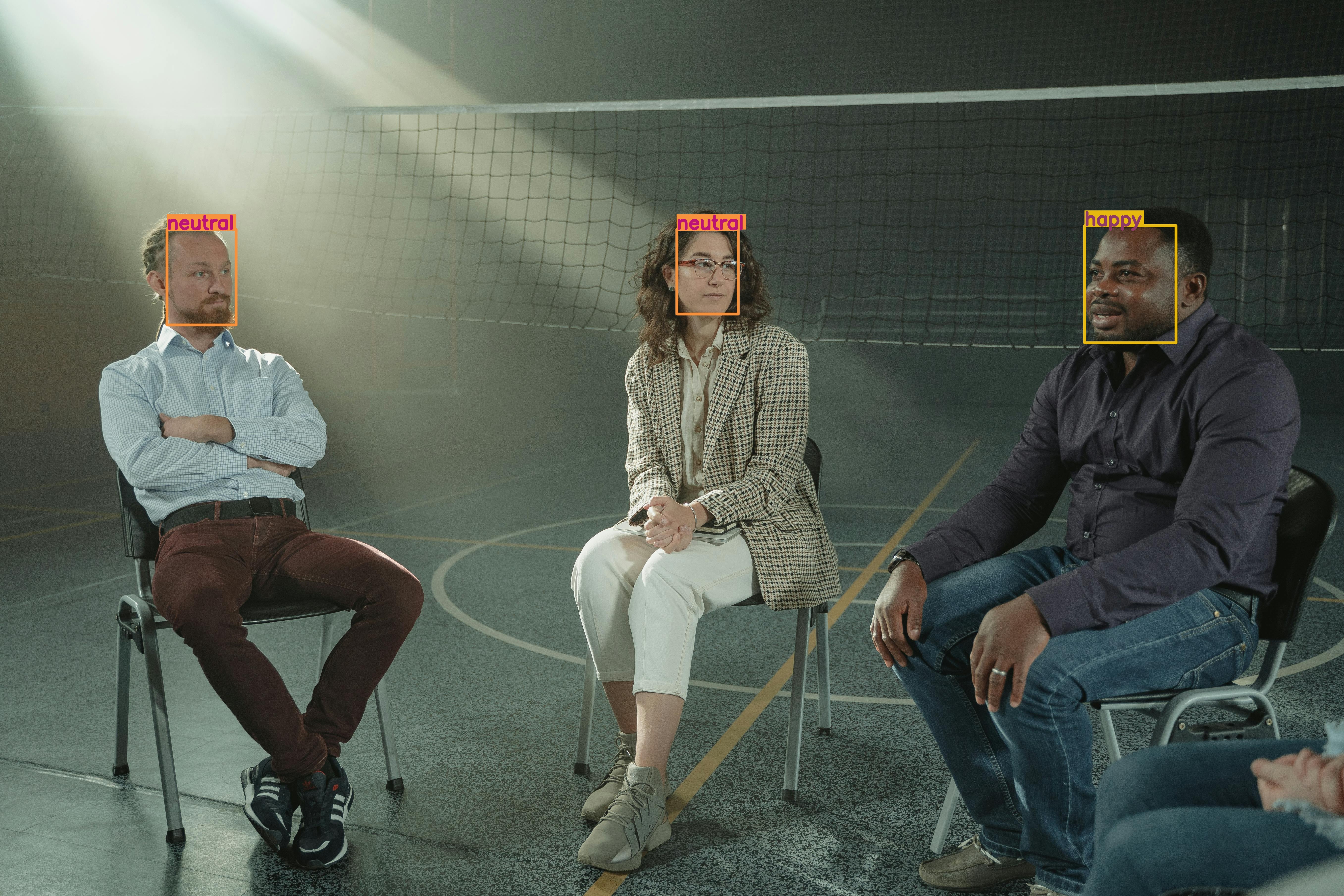
Modern intervention design increasingly integrates technology and emotion analytics . This is where Emotion AI becomes transformative. By analyzing facial expressions , voice tone , and text-based emotions , AI systems can help identify early signs of distress, disengagement, or emotional fatigue.
- Facial Emotion Analysis: Detects subtle cues of sadness, frustration, or avoidance during therapy or workplace check-ins.
- Voice Emotion Recognition: Monitors variations in tone, pitch, and pace that reflect emotional strain or improvement.
- Text Emotion Analysis: Identifies linguistic indicators of stress, burnout, or hopelessness in written communications.