Sentiment Analysis vs Emotion AI: Moving from Polarity to Understanding
When it comes to understanding people, emotions tell us far more than words. Yet many organizations still rely on sentiment analysis, a tool that reads text and classifies it as positive, negative, or neutral.
It’s useful for getting a quick overview of how people feel. But in reality, emotions are complex. They can’t always be reduced to a simple polarity. That’s where emotion AI tools, like Imentiv AI, come in by offering a deeper emotional experience.
What Sentiment Analysis Does
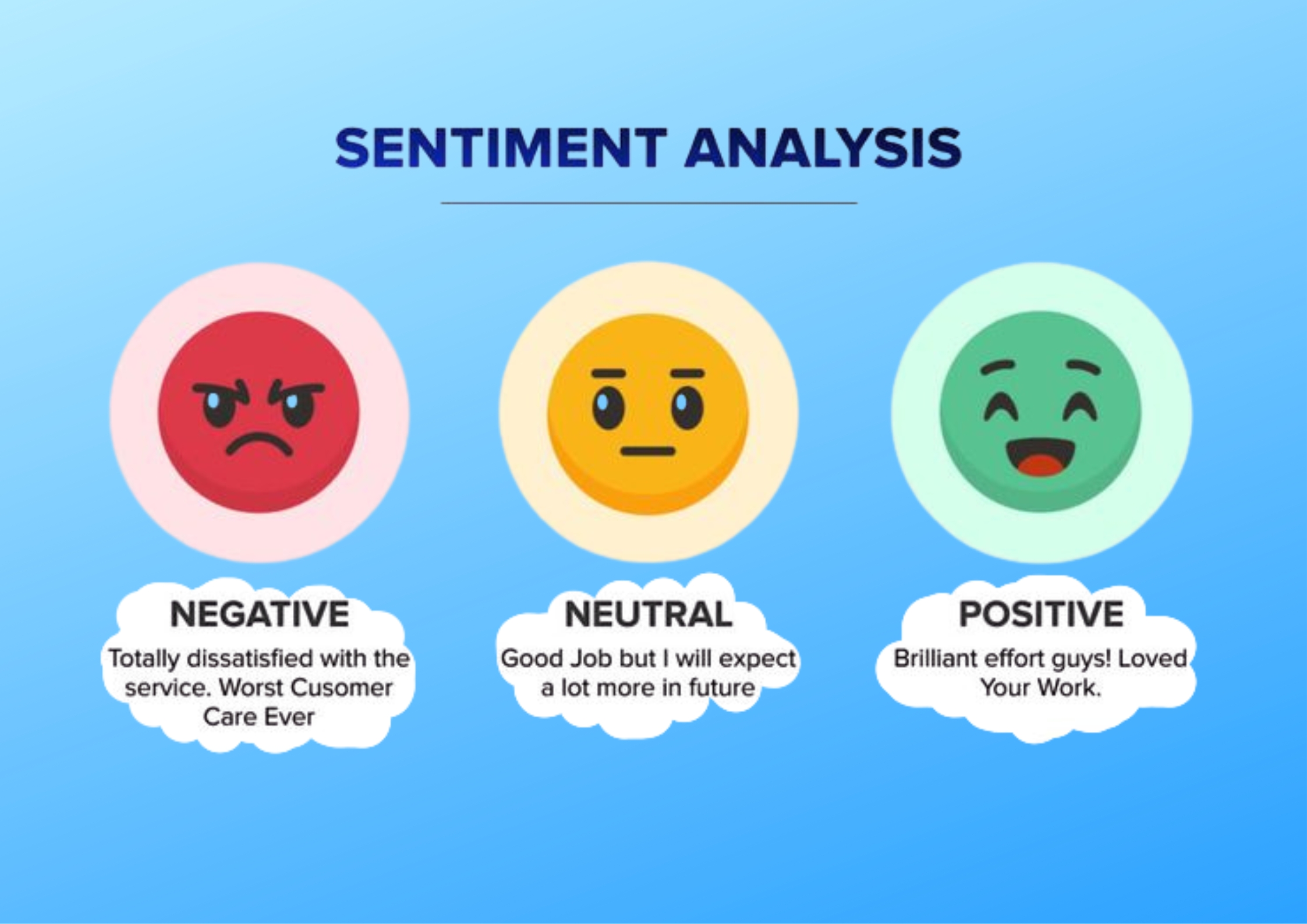
Sentiment analysis is designed to spot emotional tone in written content. It uses language models to detect patterns in text and decide if a sentence carries a positive, negative, or neutral feeling.
For example:
- “I love this product” → positive
- “This didn’t work for me” → negative
- “It’s okay, nothing special” → neutral
This approach works well for analyzing large volumes of text, such as customer reviews, survey responses, or social media comments. It gives quick insights into public opinion and helps track general trends.
But human emotions are rarely this simple. People often express mixed feelings, like frustration with a product they still value or excitement mixed with nervousness about a change. Sentiment analysis can’t always pick up on those nuances.
Why Sentiment Analysis Falls Short
Words don’t always reveal the true emotion behind them. A person can say “I’m fine” in a tone that clearly means the opposite. Traditional sentiment analysis looks only at text, and it ignores tone of voice, facial expression, and context.
That’s why it struggles in situations where:
- People use sarcasm or irony (“Great, another meeting…”).
- Emotions shift mid-conversation .
- Words carry different meanings depending on delivery or cultural context.
As a result, organizations relying solely on sentiment analysis often get an incomplete or misleading picture of how people truly feel.
What Makes Emotion AI Stand Out
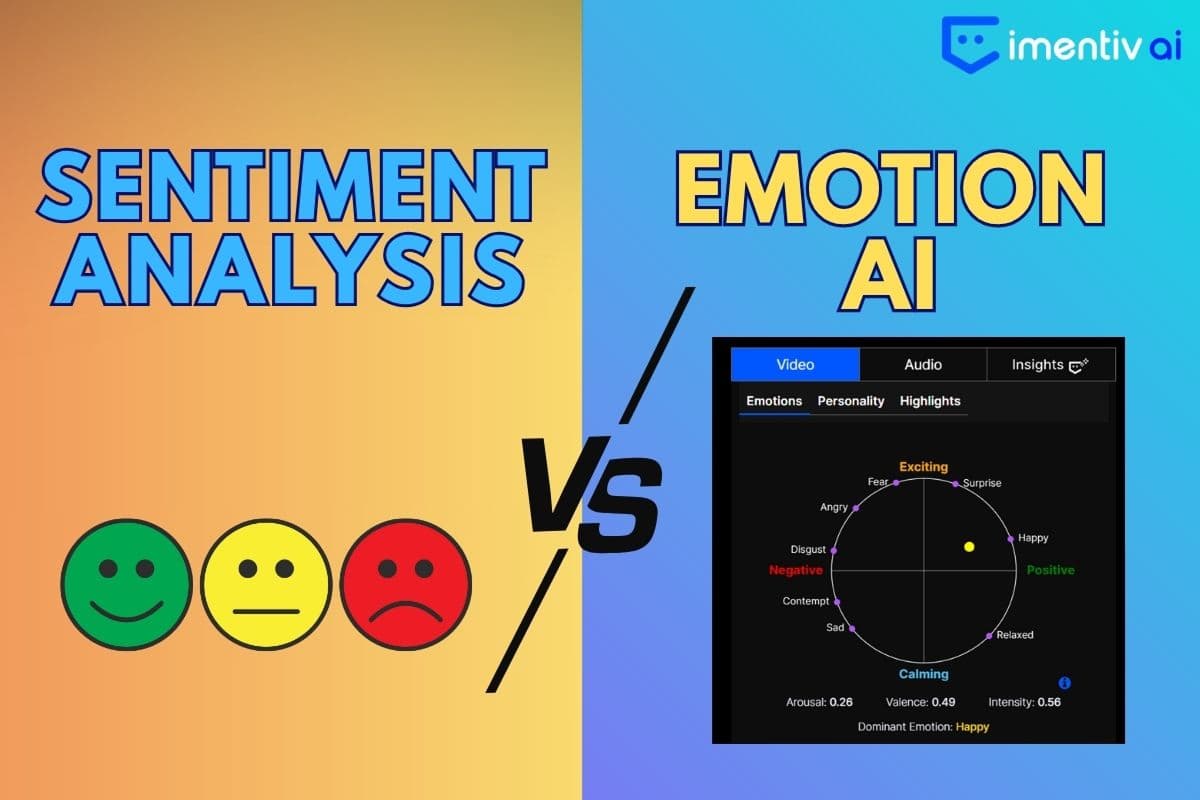
Emotion AI takes emotional understanding to a new level. Instead of classifying text into simple categories, it looks at multiple emotional dimensions to understand how someone feels, not just what they say.
It’s based on psychological models that describe emotions using three key aspects:
- Valence – Whether the emotion is positive or negative. (This aligns with sentiment analysis, but Emotion AI expands beyond it to include more emotional depth.)
- Arousal – The level of energy or activation behind it (calm vs. excited).
- Intensity – How strong the feeling is.
To learn more, read our blog on the valence-arousal model.
Together, these dimensions create a more complete emotional profile. For example, both anger and excitement can have high arousal, but their valence differs. Sadness and calmness may have low arousal, but differ in emotional tone.
By analyzing these layers, Emotion AI reveals not just the emotion type but also its strength and context, which sentiment analysis often misses.
How Imentiv AI Goes Beyond Text
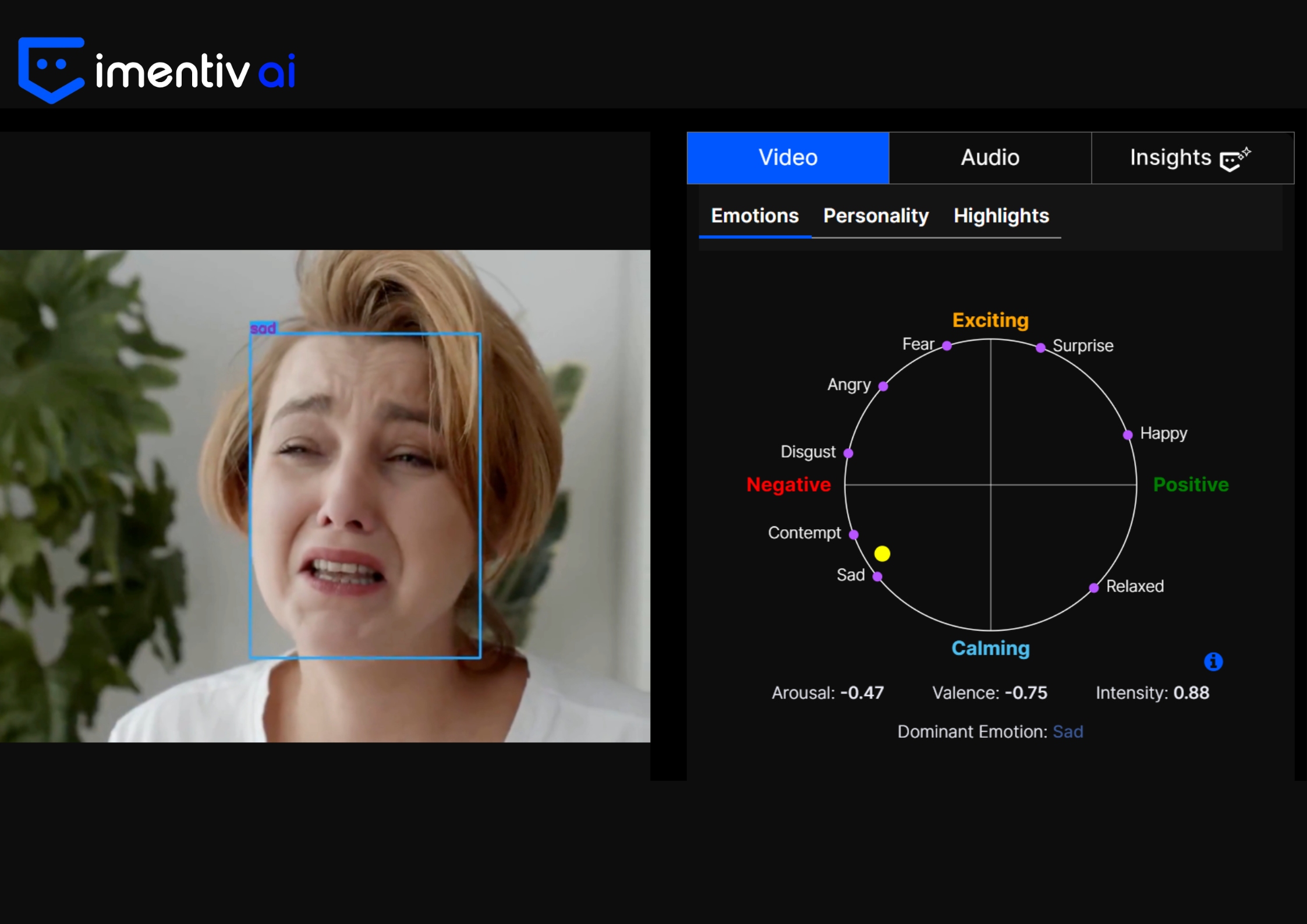
Imentiv AI combines advanced Emotion AI technology with a multimodal approach. Instead of focusing only on text, it analyzes emotions across video, audio, and written content to capture the full picture of human expression.
Here’s how each mode adds context:
- Video: Detects facial micro-expressions, eye movements, and subtle gestures.
- Audio: Reads tone, pitch, and pace to sense tension, calmness, or excitement.
- Text: Interprets language choice, sentiment, and emotion-related words.
By bringing these signals together, Imentiv AI understands what someone says, also how they say it, and how they truly feel.
For example, during a user interview or leadership coaching session, it can identify moments where frustration builds, empathy peaks, or engagement drops. This helps teams interpret emotional patterns more accurately and respond with greater empathy.
From Polarity to Emotional Understanding
While sentiment analysis tells you what someone said and labels it as positive or negative, Emotion AI tells you why they felt that way and how strongly. That difference matters.
- In customer experience, it helps brands uncover what really drives satisfaction or frustration.
- In leadership development, it helps coaches see how emotional tone affects team morale.
- In research, it helps analysts understand the emotional side of human decisions.
Imentiv AI brings all of this together by combining data-driven precision with human insight. It transforms emotion from a hidden variable into a measurable, meaningful part of understanding people.
Conclusion
Emotions are complex, dynamic, and deeply human. Reducing them to “positive” or “negative” misses what really matters. By moving beyond basic sentiment analysis, Imentiv AI helps organizations see emotion in every dimension (valence, arousal, and intensity) across voice, face, and words.
It’s not just about detecting sentiment. It’s about understanding people deeply and turning that understanding into action.
Move past basic sentiment scores to uncover real emotional drivers.