Inside Adolescence (Netflix): A Mirror to Teenage Mental Health, Emotions & the Power of Emotion AI
Netflix’s Adolescence is more than just a coming-of-age drama, it’s a raw, honest portrayal of teenage mental health. The emotional turbulence, isolation, and silent struggles shown in the series mirror the real experiences of many young people today. As viewers, we often feel these moments deeply, but what if we could understand them more clearly? With the help of Emotion AI, we now have tools that can analyze these emotional patterns, helping us see what’s often overlooked.
AI Emotion Recognition platforms like Imentiv AI offer psychological insights through multi modal emotion analysis, capturing facial expressions, vocal tones, language, and more, to help us better understand what characters are feeling and why their emotional journeys resonate so strongly.
The Emotional Terrain of Adolescence
At its core is Jamie, a 13-year-old boy who spirals into violent behavior after being influenced by online content and experiencing bullying. His emotional landscape is layered with confusion, discomfort, and a desperate need for connection.
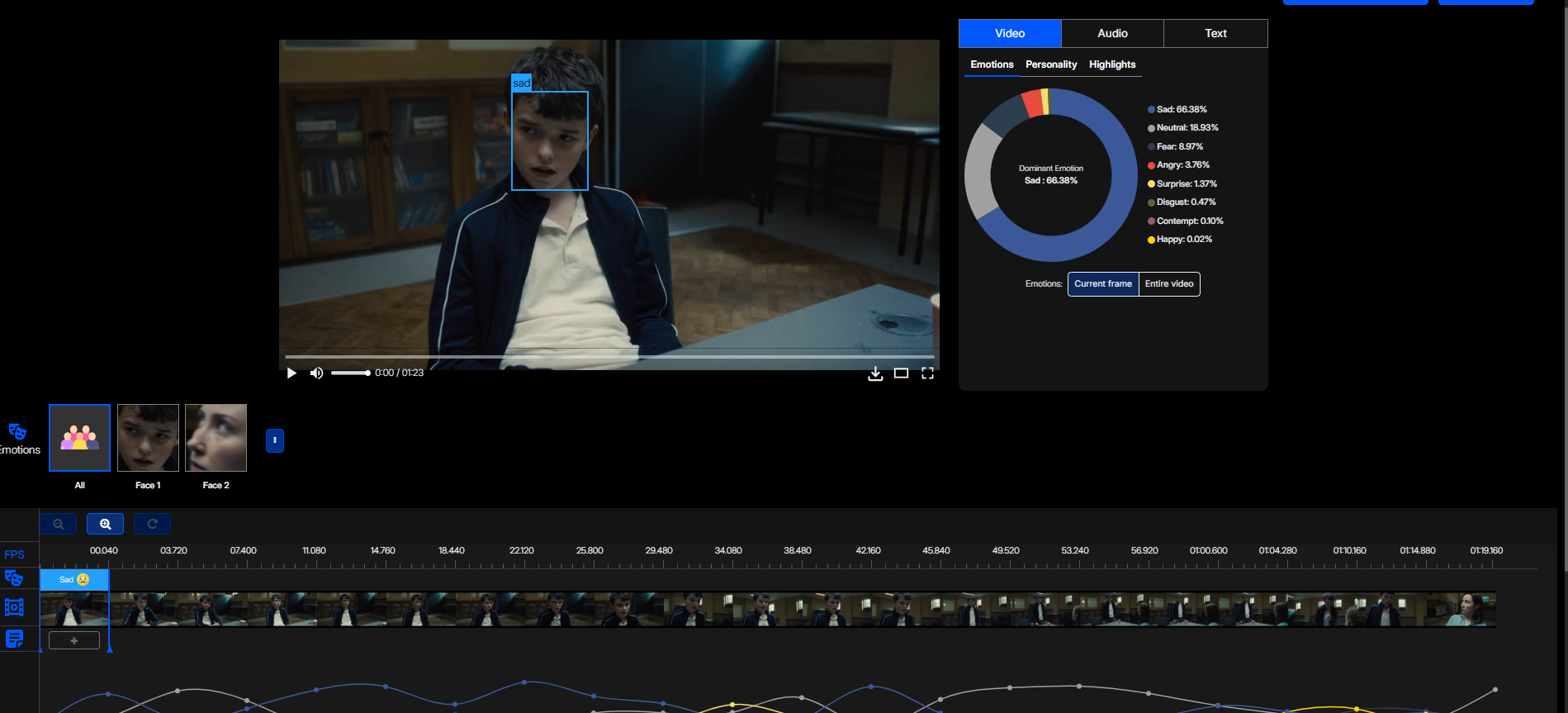
Take this Imentiv-analyzed scene:🔗 Jamie's Confusion and Discomfort with Social Media Platforms
Jamie is asked about his Instagram usage. He admits he doesn’t know why he follows models or posts pictures. A comment from a girl named Katie causes visible discomfort.
Emotion AI Breakdown:
- Video Emotions: Sadness (47.51%), Neutral (37.14%), Fear (5.5%)
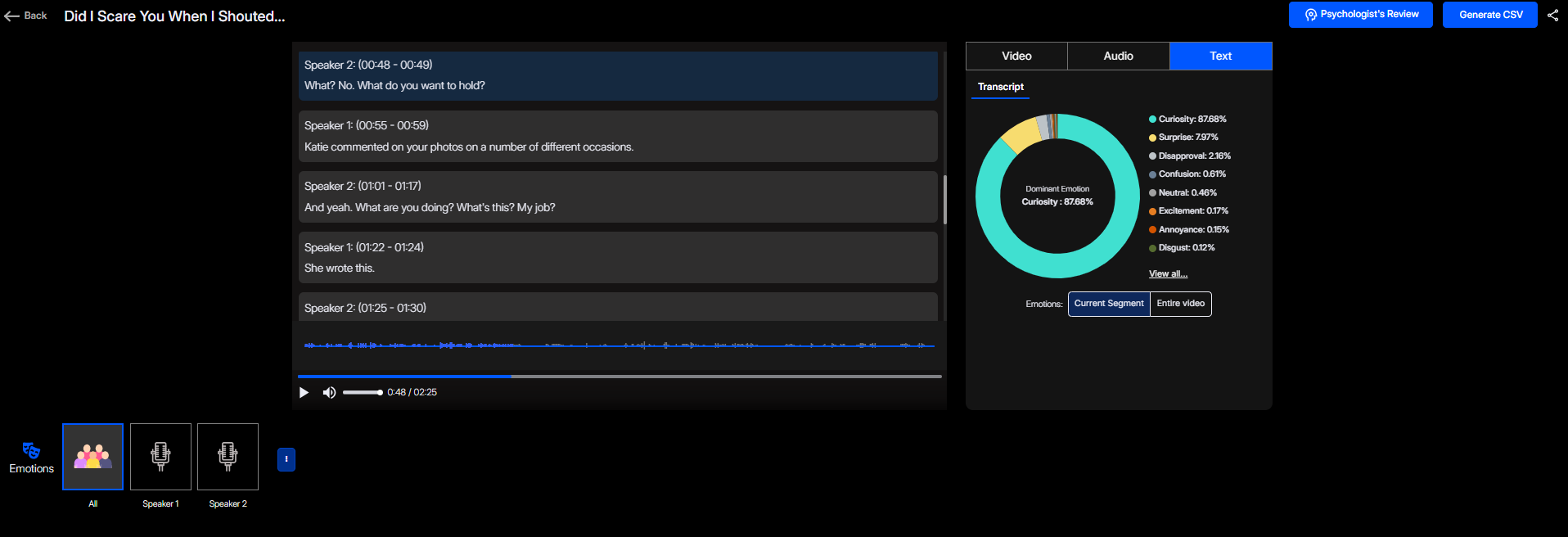
- Audio Emotions: Neutral (37.15%), Disgust (29.76%), Fear (18.66%)
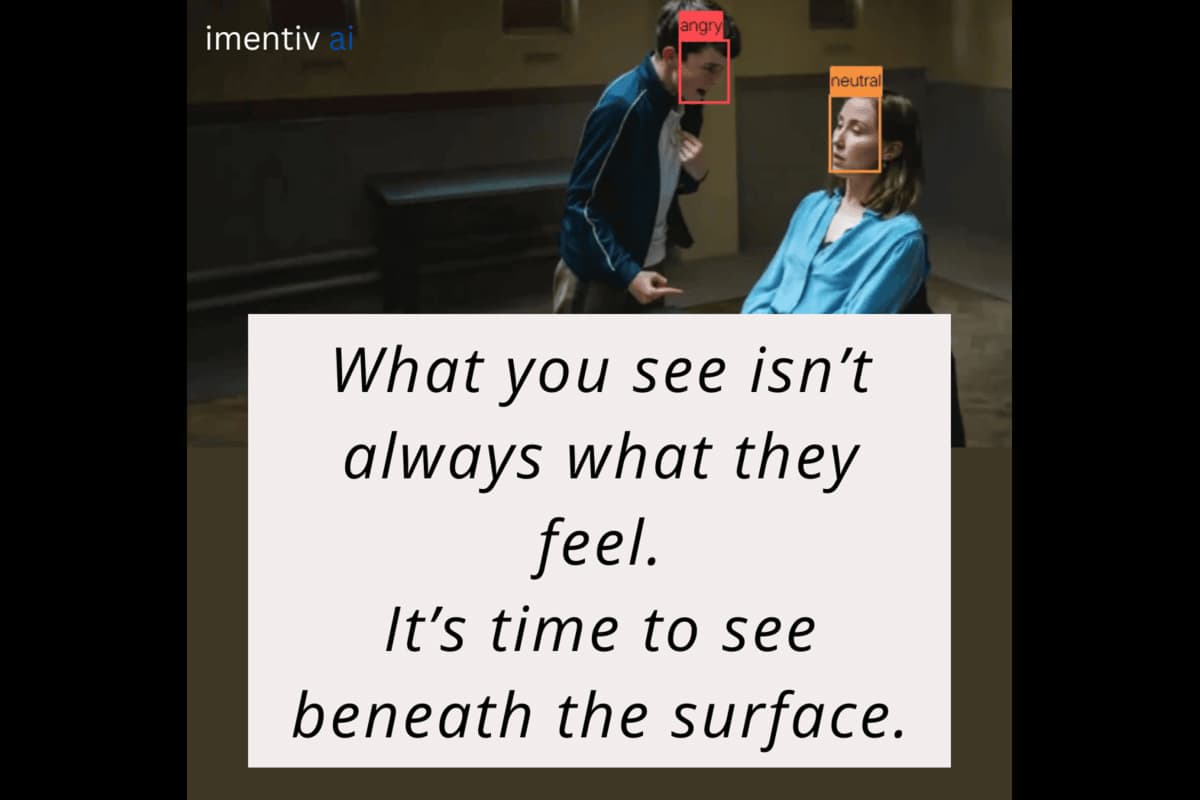
This level of emotional congruency, where facial and vocal cues match the psychological struggle, is a testament to both acting brilliance and emotionally attuned writing. Imentiv’s AI identifies this by mapping Facial Action Coding System (FACS) signals and vocal tonality shifts, helping us observe nuances the eye may miss
.
Misunderstood Minds: The Adult-Teen Disconnect
A recurring theme in Adolescence is the tragic gap between teens and their caregivers. Adults often misinterpret silence as defiance, and moodiness as rebellion. Jamie’s emotional discomfort around social media, a space supposed to connect, reflects how peer approval, body image, and identity are tangled for adolescents.
What’s missing? Empathy-driven understanding.
Emotion AI tools, when used with psychologically-informed models, allow us to dissect not just “what’s wrong,” but “what's really felt.” This makes AI a co-pilot in emotional care, not just data processing.
When Tech Meets Empathy: Emotion AI & Multimodal Innovation
Modern Emotion AI isn't about emotion detection alone, it’s multimodal, analyzing video, audio, text, video personality and psychologist review to draw a comprehensive emotional map.
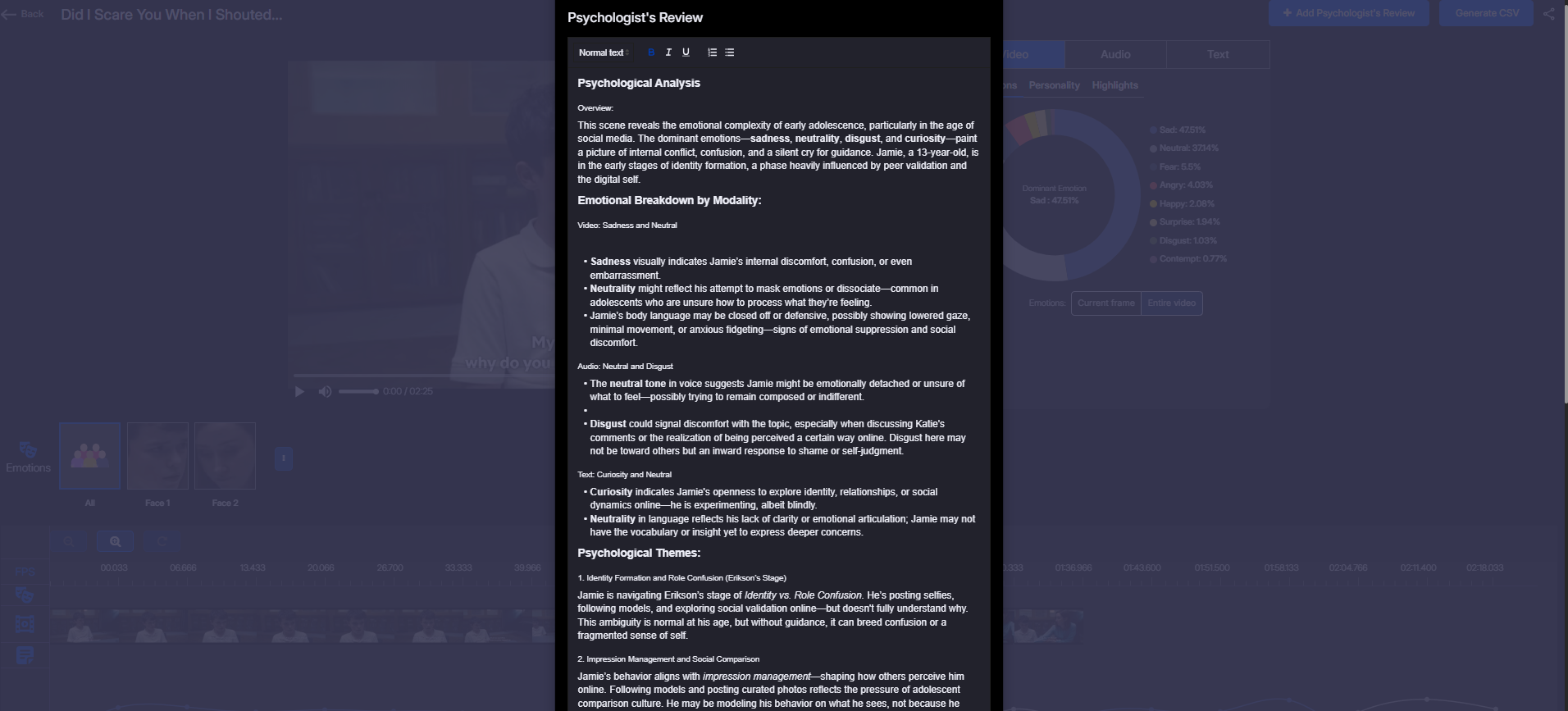
Here's how it can transform adolescent mental health care:
1. Acting Brilliance & Authentic Emotions
Emotion AI can validate the authenticity of acting, not by judging performance, but by matching it to natural emotional markers. In Jamie’s scene, the consistency of sadness across modalities proves the actor’s portrayal isn’t exaggerated, but internally resonant.
“Sadness wasn’t just a facial cue. It was layered in his voice, slight vocal tremor, long silences, low pitch, and picked up by Imentiv’s emotional models.”
2. Caretaker Tools: Analyzing Teen Emotions via Online Text
Multimodal AI can do more than just analyze videos. It can process:
- Text messages
- Comments on social media
- Online journaling and digital diaries
This is revolutionary. A school counselor or parental figure could use text-analysis tools to monitor concerning patterns like:
- Sudden shifts in tone (e.g., from joy to cynicism)
- Repeated use of self-deprecating or aggressive language
- Isolation-oriented phrases (“No one gets it,” “I hate being around people”)
This isn't surveillance, it’s empathetic detection, helping catch emotional declines before they escalate into crises.
The Toxic Web: Social Media and Emotional Disintegration
Adolescence makes a chilling point: social media can erode self-worth.
Teenagers like Jamie chase likes, not connection. Comments, whether positive or negative, become psychological barometers. And as seen in the Imentiv-analyzed scene, even a simple message from a past acquaintance (Katie) can cause disproportionate discomfort.
“Jamie doesn’t know why he posts. He just… does it. And when someone comments, it’s not joy, it’s shame. That’s not a connection. That’s emotional dysregulation.”
Platforms must stop ignoring this. Instead of mere content moderation, they could integrate emotion-sensing tools that:
- Flag emotional distress in comments
- Prompt teens to take breaks
- Offer access to supportive resources when emotional patterns shift
Rage Behind Bars: The Other Side of Adolescence
Another powerful scene in Adolescence reveals a Jamie's frustration with being placed in a training center:
🔗 Conversation about Jamie's Frustration and Uncertainty
Emotion AI Breakdown:
- Video Emotions: Sadness (41.44%), Neutral (34.95%), Fear (8.97%)
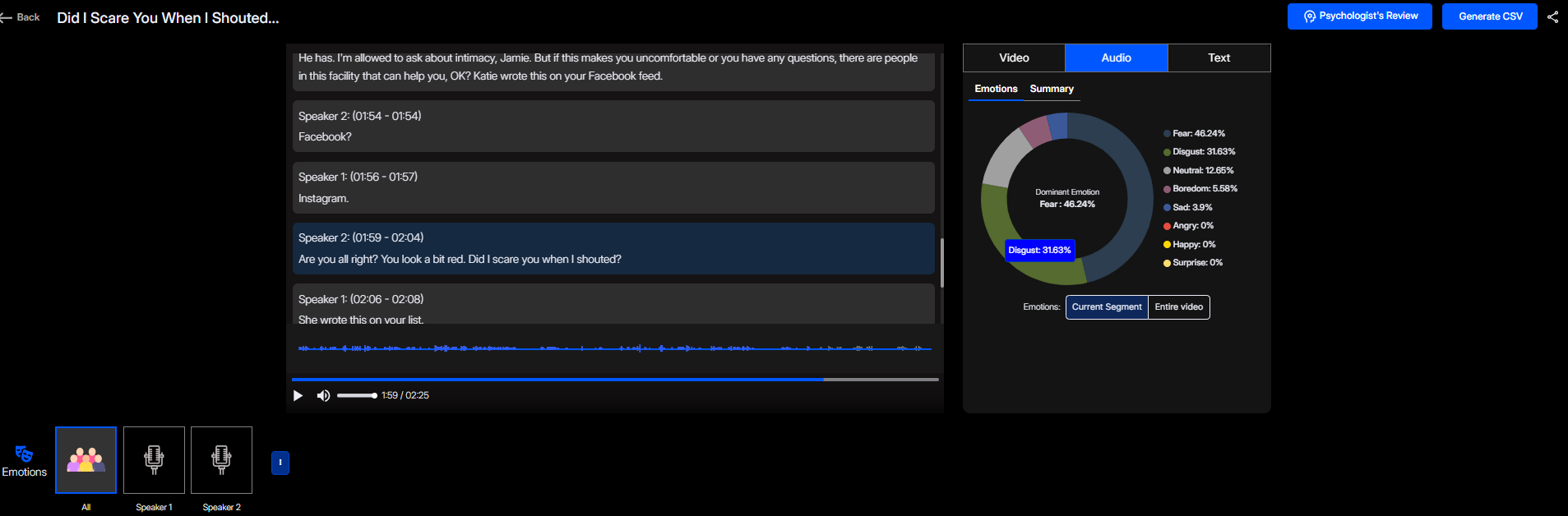
- Audio Emotions: Anger (47.12%), Disgust (23.62%)
- This duality, sad exterior, angry voice, reflects suppressed emotional trauma. Teens from marginal environments often use aggression as a shield against vulnerability. Imentiv’s multimodal analysis allows mental health professionals to see both faces: the one they show, and the one they feel.
- In Schools: Identify early signs of emotional distress in classroom discussions or submitted essays using emotion-rich text analysis.
- In Families: Support conversations through emotion reports that guide empathetic parenting.
- In Therapy: Therapists can use emotion data to validate client narratives and spot internal emotional contradictions.
- In Media: Filmmakers and producers can use tools like Imentiv to assess the emotional authenticity of scripts, performances, and viewer reactions.
Final Thought: Toward a Kinder Tech, a Kinder World
Adolescence leaves us haunted, yet hopeful. It dares to show the invisible pain of a generation raised on algorithms and isolation. But with tools like Imentiv, powered by psychology and AI, we are no longer powerless spectators.
We can observe. We can understand.
Most importantly, we can act with empathy and data hand in hand.
Emotion meets insight. Data meets heart. That's the future of mental health.
Note: Mental health conditions are serious concerns that require professional attention. While Emotion AI tools can offer valuable insights into emotional patterns, they are support elements intended to aid in understanding and assessment. These tools should be used under the guidance of licensed therapists or other mental health professionals to ensure effective and safe application in treatment.