Stimulation
Stimulation refers to the process of activating or triggering a response in a system, organism, or individual through internal or external inputs. It includes anything that provokes a reaction, such as light, sound, touch, thoughts, or experiences, leading to changes in perception, behavior, or activity. In everyday life, stimulation drives attention, engagement, and responsiveness, shaping how individuals interact with their environment and process incoming information.
Stimulation in Psychology
In psychology , stimulation involves the activation of neural, sensory, or emotional responses through stimuli. The brain continuously processes both external inputs and internal experiences, influencing how individuals think, feel, and behave.
Stimulation contributes to:
- Attention and alertness by maintaining engagement with tasks and surroundings
- Learning and cognition through exposure to meaningful and enriching inputs
- Emotional responses as different stimuli evoke feelings such as joy, stress, or fear
- Behavioral reactions shaped by how stimuli are perceived and interpreted
However, not all responses to stimulation are clearly visible. Many emotional and cognitive reactions are subtle, brief, or internally regulated . Individuals may mask their emotions, or the response itself may be too minimal, such as slight facial tension, micro-expressions , or faint vocal shifts, to be easily detected by the human eye.
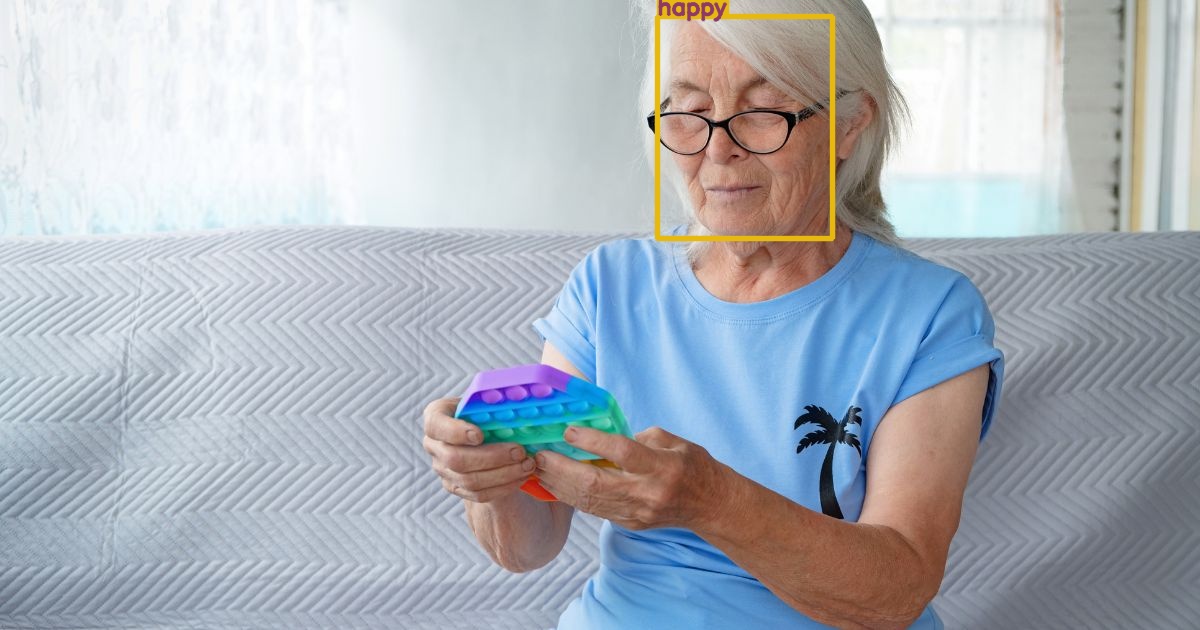
Stimulation Through Emotion AI
Emotion AI enhances the understanding of stimulation by capturing these fine-grained emotional responses that often go unnoticed. By presenting stimuli such as videos, conversations, or tasks, Emotion AI systems can observe how individuals react across multiple channels .
These systems analyze:
- Facial expressions, including micro-expressions and minimal muscle activations
- Vocal patterns, detecting slight variations in tone, pitch, and pace
- Text and language, uncovering emotional undertones in communication
Imentiv AI use multimodal analysis, combining video, audio, text, and image inputs, to transform subtle and often “invisible” reactions into measurable emotional data. This allows for a deeper understanding of how individuals respond to stimulation, even when those responses are masked, unconscious, or too brief for manual observation.