Smizing
Smizing, a blend of “smiling” and “eyes,” refers to the expression of emotion through the eyes rather than the mouth. The term became widely recognized in popular culture but reflects a genuine psychological phenomenon: when people experience authentic positive emotion, subtle muscles around the eyes activate, creating warmth, engagement, or confidence even if the mouth remains
neutral. This eye-based expression is closely linked to the activation of facial muscles involved in genuine emotional signaling.
Understanding Smizing in Facial Expression
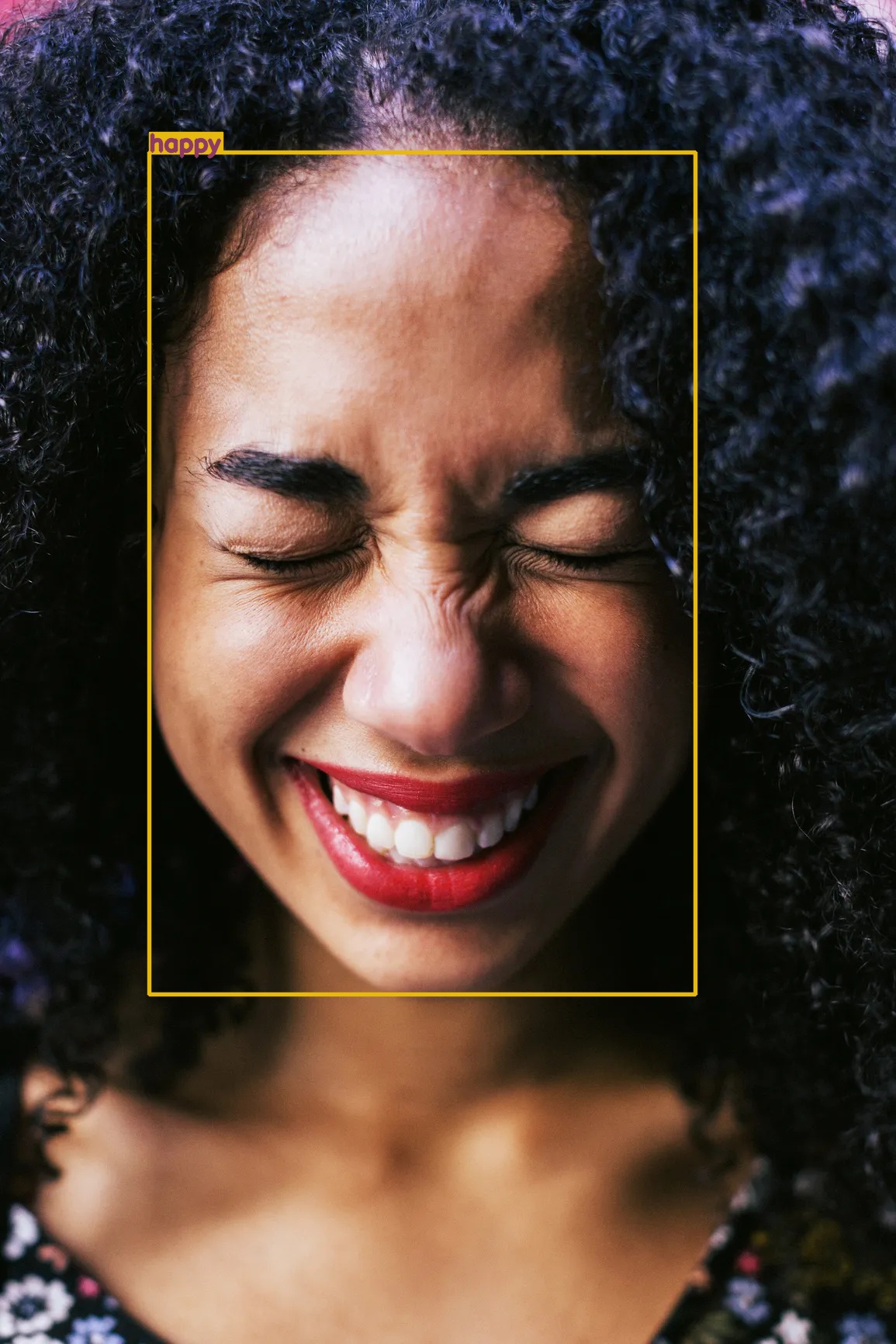
Smizing occurs when the eyes communicate emotion independently of the mouth. In many social situations, people may maintain a neutral facial expression while still conveying friendliness, trust, or enthusiasm through subtle eye movements.
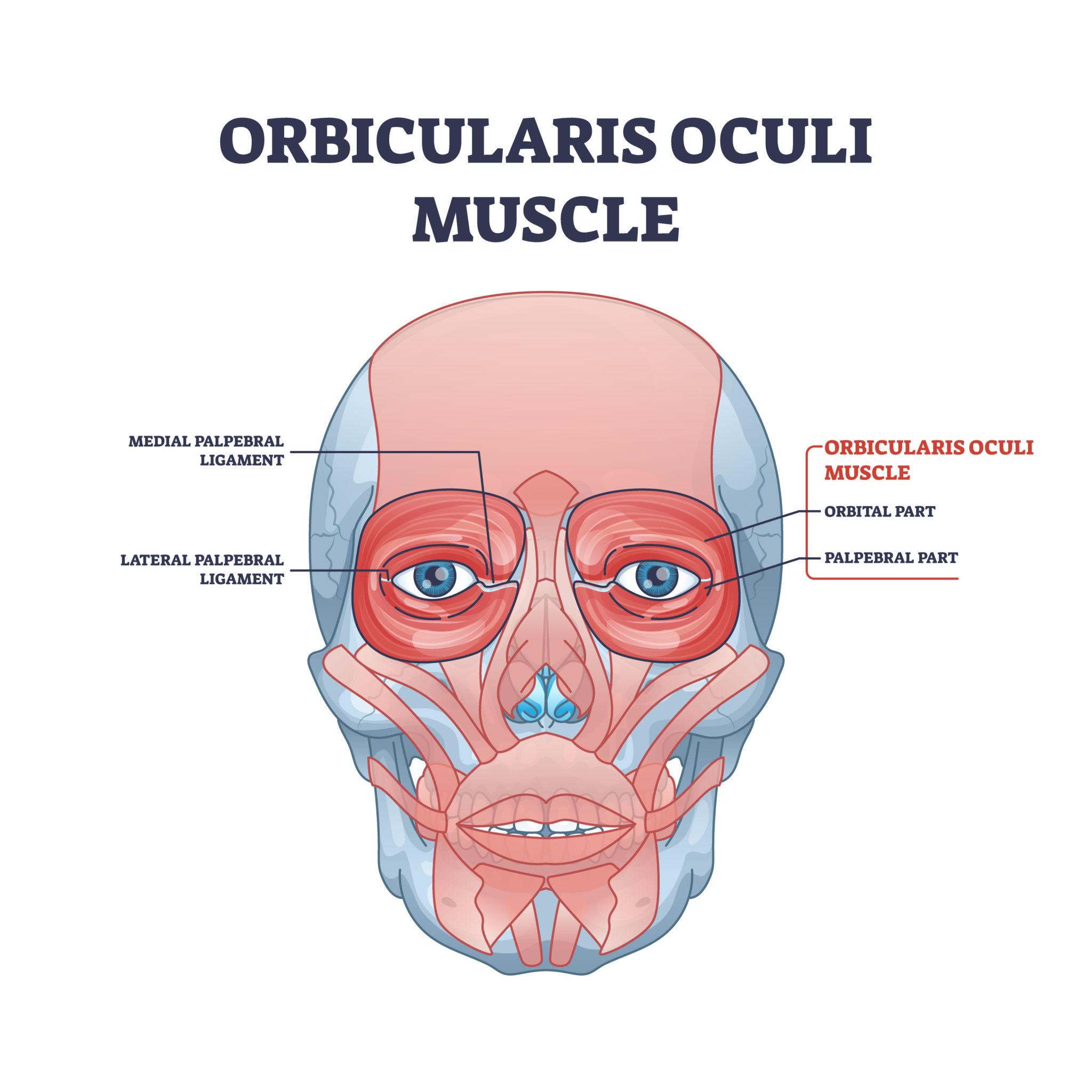
This expression typically involves the orbicularis oculi muscle , which slightly narrows the eyes and creates gentle crow’s-feet wrinkles at the corners. In facial coding systems, this muscle activity corresponds to Action Unit 6 (AU6) .
Key characteristics of smizing include:
- Slight narrowing or soft squinting of the eyes
- Raised cheeks that subtly push upward toward the lower eyelids
- A warm or engaged gaze even when the mouth remains neutral
Because these cues are subtle, humans often perceive them intuitively rather than consciously noticing the muscle movement itself.
Smizing and Authentic Emotional Expression
In psychological research on facial expressions, genuine smiles often involve both the mouth and the eyes. This concept is related to what is known as the Duchenne smile , described by neurologist Guillaume Duchenne, where the eyes play a critical role in signaling authentic happiness.
However, smizing highlights that emotional expression can sometimes be conveyed primarily through the eyes , particularly in contexts where:
- Social norms discourage overt smiling
- Individuals intentionally regulate visible emotions
- Facial coverings obscure the mouth
- Professional or cultural settings favor subtle emotional expression
This demonstrates that emotional communication is not limited to obvious facial movements but often occurs through micro-expressions and eye-based cues.
Smizing Through the Lens of Emotion AI
Emotion AI systems analyze smizing by detecting subtle facial muscle movements around the eyes. Using techniques derived from the Facial Action Coding System (FACS) , Emotion AI can identify activity linked to genuine emotional engagement.
Multimodal analysis allows systems to observe:
- Facial cues such as AU6 activation and eye-region muscle contractions
- Micro-expressions that reveal underlying emotional states
- Changes in emotional intensity over time within a video sequence
Imentiv AI integrates facial expression analysis with speech and text-based emotion detection to provide a fuller psychological picture. In situations where the mouth is neutral or partially obscured, eye-based cues like smizing become especially important signals for understanding emotional engagement.
Why Smizing Matters in Emotional Communication
Smizing illustrates how emotional expression is often subtle and layered. The eyes frequently reveal emotional authenticity that words or broader facial expressions may mask. Recognizing these cues is important in fields such as psychology, social interaction research, marketing analysis, and human, computer interaction.
When combined with Emotion AI analysis, these small signals can provide deeper insights into authentic emotional responses , helping researchers and professionals better understand how people truly feel in different contexts.
Note: Emotion AI tools provide insights into emotional signals but should be interpreted responsibly and, in mental health contexts, alongside qualified psychological professionals.