Child Psychology
Child psychology studies the mental, emotional, and behavioral development of children from infancy through adolescence. It investigates how genetics, relationships, learning environments, and culture interact to form the child’s mind and emotional world. Foundational theorists like Erik Erikson emphasized trust and emotional security in early stages, while Jean Piaget explored how emotions shape cognitive schema formation. From tantrums to curiosity, each emotional expression reveals the evolving relationship between affect and understanding.
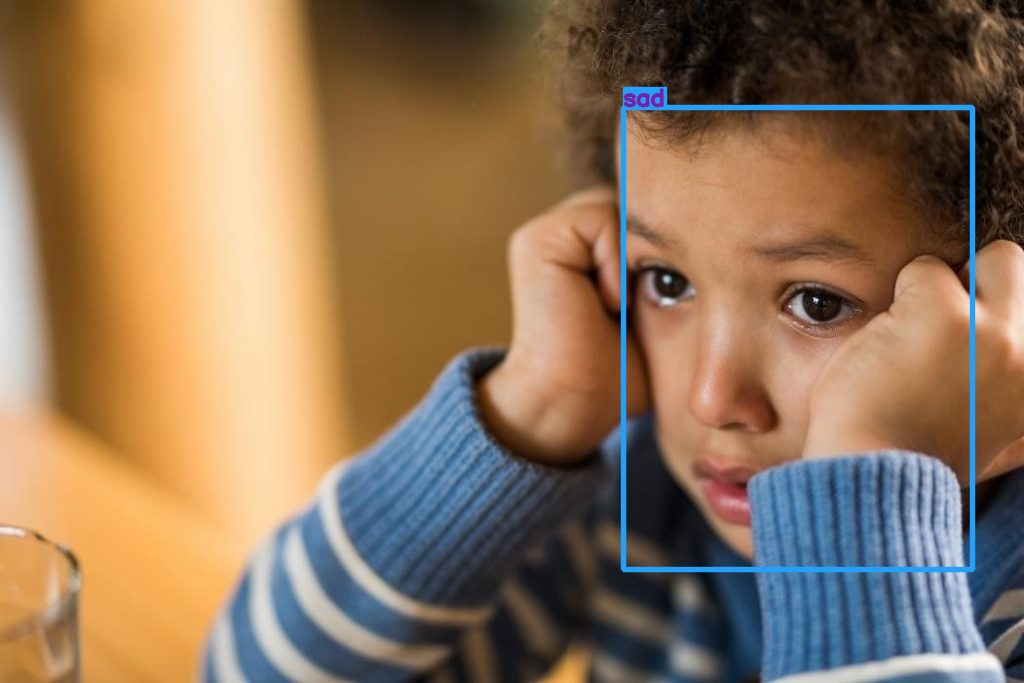
Children often communicate their emotions nonverbally , through tone, movement, and silence, long before they can articulate their thoughts. As the quote from Albus Dumbledore reminds us, “A child’s voice, however honest and true, is meaningless to those who have forgotten how to listen.” Emotional listening is, therefore, central to child psychology. When caregivers or professionals misinterpret emotional cues, it may lead to emotional invalidation, delays in social development, or misdiagnosis of neurodiverse traits.
Child psychology also addresses the importance of early emotional attunement, empathy in caregivers, and the recognition of neurodiversity. Children on the autism spectrum, for instance, may express feelings differently through tone, facial expression, or body language, making emotion-informed assessment vital for support and inclusion.
Emotion AI and Child Psychology
Emotion AI, particularly Audio Emotion AI , redefines how we understand child emotions by decoding the subtle emotional patterns in a child’s voice, tone, pitch, pauses, and energy. It allows psychologists and parents to perceive distress, joy, or hesitation even when a child’s words are unclear or masked.
- Early Detection: Helps identify neurodiversity or emotional dysregulation through irregular vocal patterns.
- Therapeutic Support: Assists therapists in tracking emotional progress and identifying anxiety triggers.
- Caregiver Empowerment: Offers emotional summaries or alerts, enabling proactive, empathetic parenting.