Anxiety
Unlike fear, which is a response to an immediate threat, anxiety involves anticipation of future danger, whether real or imagined. It exists on a spectrum, from mild unease to crippling panic, and plays a central role in several disorders including Generalized Anxiety Disorder (GAD), Social Anxiety Disorder, Panic Disorder, and specific phobias. Anxiety may also co-occur with depression, trauma, or substance use conditions.
From a psychological standpoint, anxiety involves hyperactivation of the brain’s threat detection system, primarily the amygdala, along with disrupted regulation from the prefrontal cortex. Cognitive theories emphasize maladaptive thought patterns such as catastrophizing, hypervigilance, and intolerance of uncertainty. Behavioral approaches often examine avoidance behaviors that reinforce anxious responses over time.
Treatment for anxiety may include:
- Cognitive-Behavioral Therapy (CBT): Identifying and reframing distorted thinking patterns.
- Exposure Therapy: Reducing avoidance by facing anxiety-inducing stimuli gradually.
- Mindfulness and Relaxation Techniques: Promoting present-moment awareness to counter anxious rumination.
- Pharmacological Interventions: Including SSRIs, benzodiazepines (short-term), and beta-blockers.
Emotion AI and the Detection of Anxiety
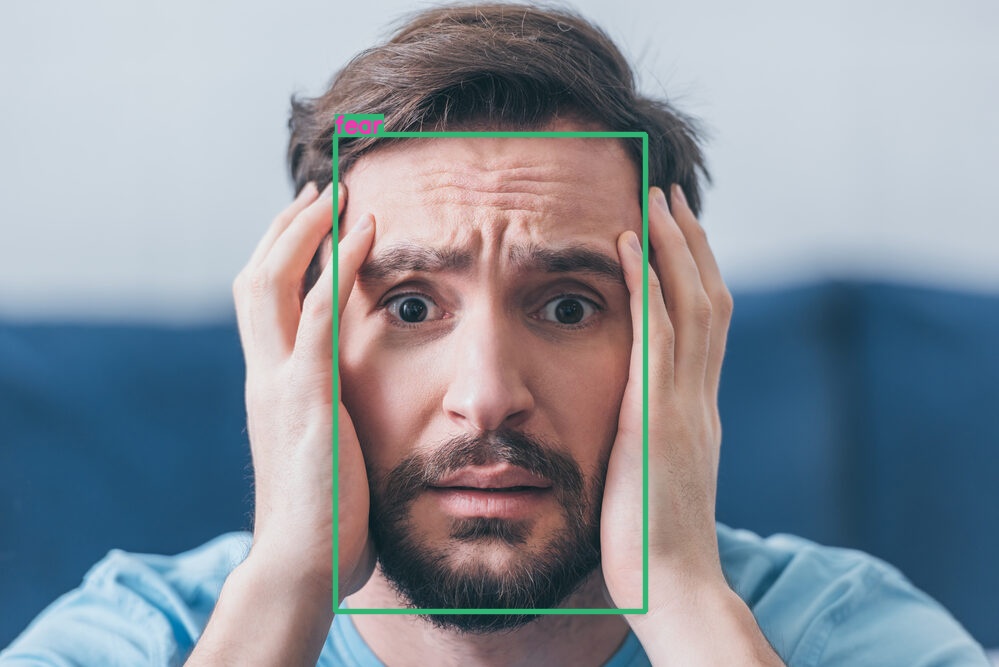
- Facial Emotion Recognition: AI can detect subtle microexpressions such as eyebrow tension, lip compression, or widened eyes, all of which may signal anxiety even when clients try to appear calm.
- Audio Emotion Analysis: Vocal markers such as speech hesitations, pitch elevation, or breathiness can indicate rising anxiety. Emotion AI uses these signals to assess distress levels in real-time, useful in teletherapy or mental health apps.
- Text Emotion Analysis: Through journaling or chat input, Emotion AI can flag signs of anxious thinking, such as repetitive concerns, future-focused fear, or emotional overtones like nervousness or guilt.
- Session Trend Mapping: Over time, Emotion AI can track emotional fluctuations and reveal patterns, such as anticipatory anxiety before certain tasks or peak moments of distress during specific discussions.