Service and hospitality
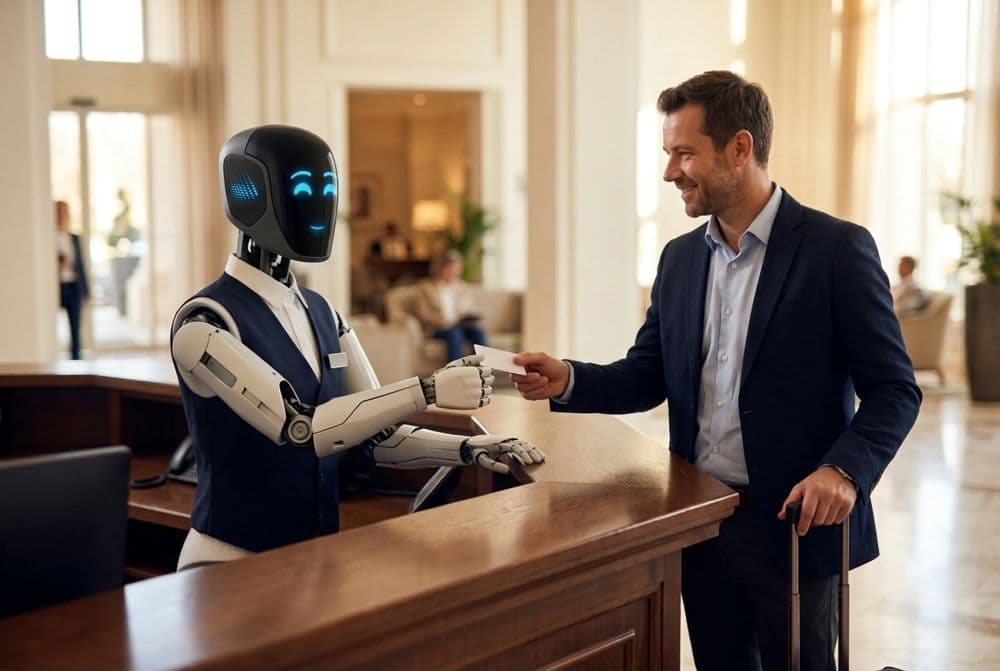
A guest has been waiting at the hotel front desk, and their patience is wearing thin. A front desk robot that picks up on it can offer help sooner, such as a quick check-in, or call a staff member.
Robots are now in homes, hospitals, care centers, and public places, where people react to them emotionally.
 Someone is confused
There’s been a long pause. Maybe I should repeat the instructions.
 Someone is frustrated
That’s the third request. I’ll try the same action again.
 Someone is having fun
I’m picking up a sudden burst of sound. No instruction in it. Standing by.
People express emotion in more than one way. A smile isn’t always happiness. A pause can mean many things.
Reading every signal together, knowing what matters, and knowing how sure to be.
This is the problem we work on. Our approach is grounded in established psychology research. See the science
Our SDK puts the artificial emotion brain in the robot. The robot decides how to respond to what it reads.
It reads behavior. It doesn’t claim to know what’s going on inside someone’s mind.
A guest has been waiting at the hotel front desk, and their patience is wearing thin. A front desk robot that picks up on it can offer help sooner, such as a quick check-in, or call a staff member.
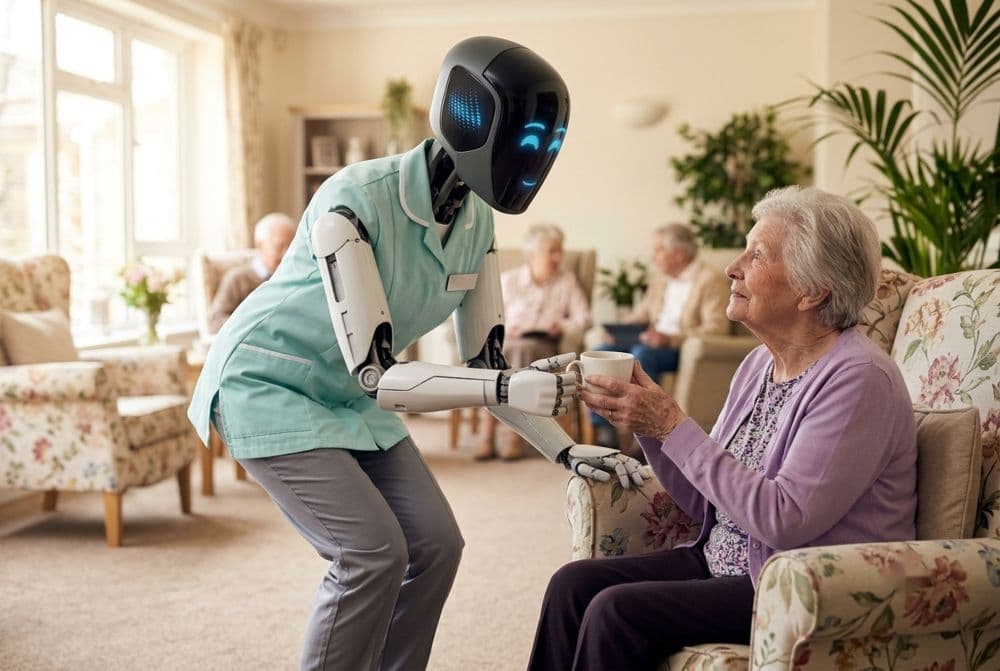
A resident says “I’m fine,” but their voice says otherwise. A robot that catches the mismatch can slow down, respond with patience, and check in.
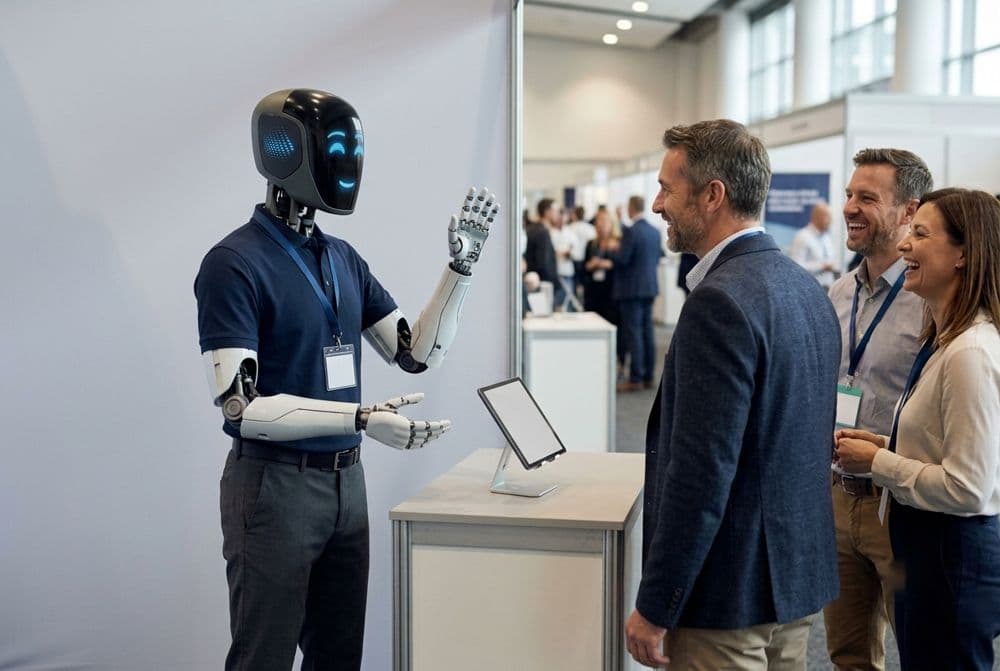
A visitor at a conference booth looks interested, then starts to drift away. A booth robot that spots the change can try a new approach, such as a different question or a quick demo.
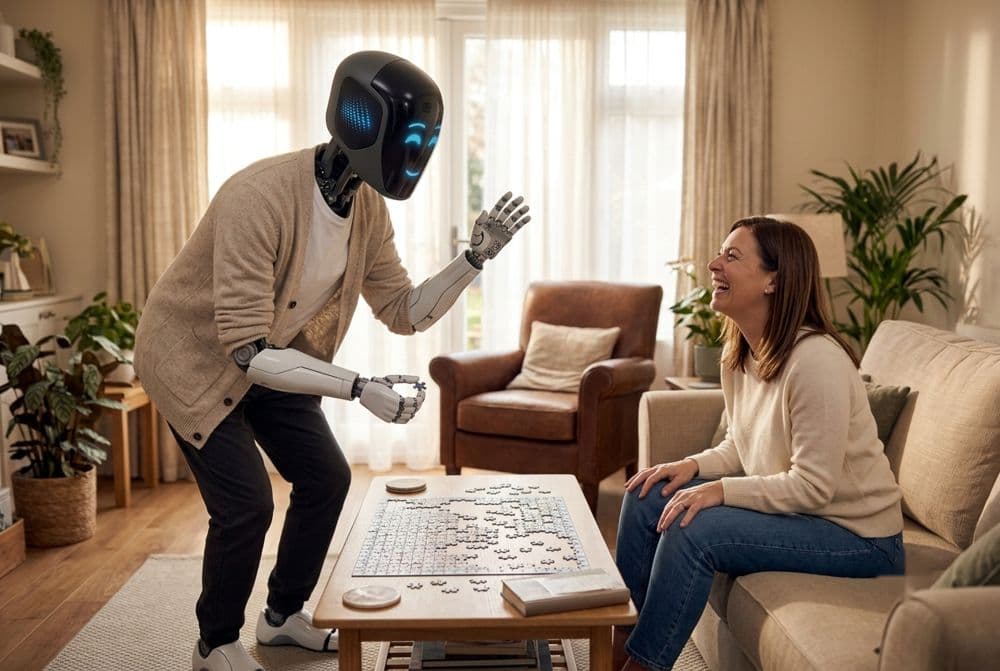
A person laughs along with a companion robot. A robot that senses the enjoyment can keep the conversation playful, or ease off if the laughter fades.
Building a companion robot or a robot toy? how our artificial emotion brain could work for it.
Robots pick up emotional cues during the interaction, not after it ends.
Runs fully offline on the robot’s own hardware. Nothing goes to the cloud, and saving video is always optional.
Multilingual support in 100+ languages, including English, Chinese, Japanese, Spanish, and more.
Bring the robot. We bring the artificial emotion brain. It fits into a robot’s existing system, so teams can start quickly.