Why Your Product Testing Is Lying to You And How Emotion AI Fixes It
Picture this. You run a product testing session. Participants smile, nod, and score your product a solid 7 out of 10. The feedback sounds decent. You move forward with the launch. Three months later, the product underperforms. Reviews trickle in with the frustrations your testers never mentioned. Heard this story before? Well its not a rare story. It's actually one of the most common ways product teams get blindsided. The problem isn't your testers. The problem is the method. When you ask people to describe how a product makes them feel, you're asking them to do something humans are genuinely not very good at. Emotions happen in milliseconds. Words come much later, filtered through memory, social pressure, and the desire to be helpful. That's the gap Emotion AI was built to close.
What is Emotion AI in the Context of Product Testing?
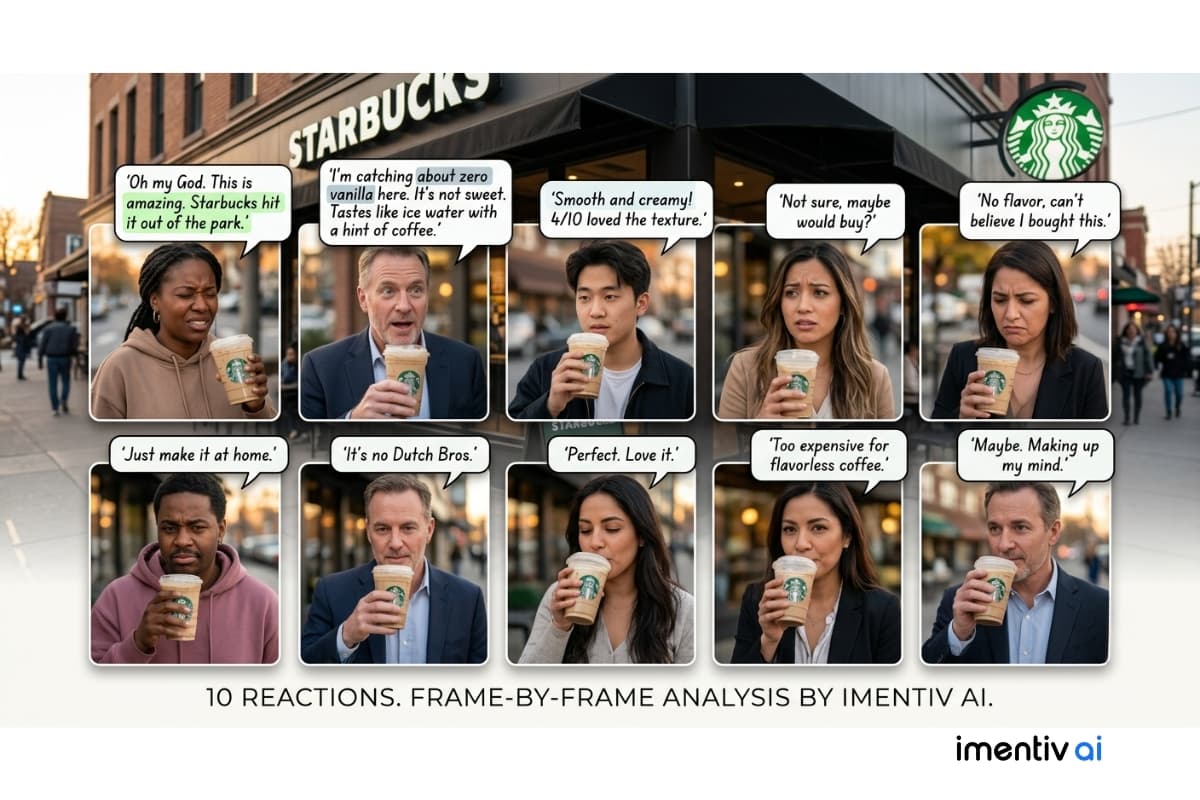
Research by Kantar and Affectiva shows that digital content triggering strong emotions is 4 times more likely to drive long-term brand equity. Emotion AI is a technology that analyzes facial expressions, voice tone, and written text to detect what a person is actually feeling in the moment, without asking them. In product testing, this means you can record a session video, run it through a platform like Imentiv AI, and get a frame-by-frame emotional breakdown of your tester's real reactions. Where did they light up? Where did confusion creep in? Where did frustration spike before they said a word? That kind of data is completely invisible in a traditional survey. It's right there in the face. Video emotion recognition forms the core of how this works. The AI tracks microexpressions, muscle movements, and emotional shifts across every frame. It's fast, it's scalable, and unlike a human observer.
Why Traditional Product Testing So Often Gets It Wrong
Focus groups and surveys capture stated opinions, not real reactions. And those two things are very different. This isn't a new problem. Researchers have known for decades that self-reported data is unreliable. People don't always do what they say they will do, and human memory is fallible, meaning certain biases will limit the accuracy of participants' accounts. Then there's groupthink. When a group of people is asked to give feedback together, the desire for harmony can lead to skewed data that doesn't accurately reflect the diverse perspectives of all participants. One confident voice shapes the room. Real opinions go unspoken. Add to that the artificial environment. When consumers test a product in a focus group facility, they're not in the comfort of their home; they're not using the product the way they normally would in their realistic day-to-day life. The result? You're making product decisions based on data that was filtered, social-pressure-shaped, and collected in an environment nothing like the real world. Emotion AI solves all three of these problems at once.
What Does Emotion AI Actually Reveal During a Product Test?
Here's what changes when you add Emotion AI to your product testing process. Genuine first reactions. The first few seconds of interaction with a product are emotionally dense. A flicker of confusion when opening the packaging. A brief frown when a feature doesn't behave as expected. A genuine smile when something delights. These micromoments are gone in an instant and almost never make it into written feedback. Emotion AI catches all of them. Confusion before it becomes churn. In digital products, especially, users often don't say they're confused. They just leave. Emotion AI detects frustration and confusion in real time, before a user disengages, giving your team the signal early enough to act on it. Our user testing use case explores this exact pattern in detail.
See how Imentiv AI uncovers real user reactions beyond surveys and assumptions.
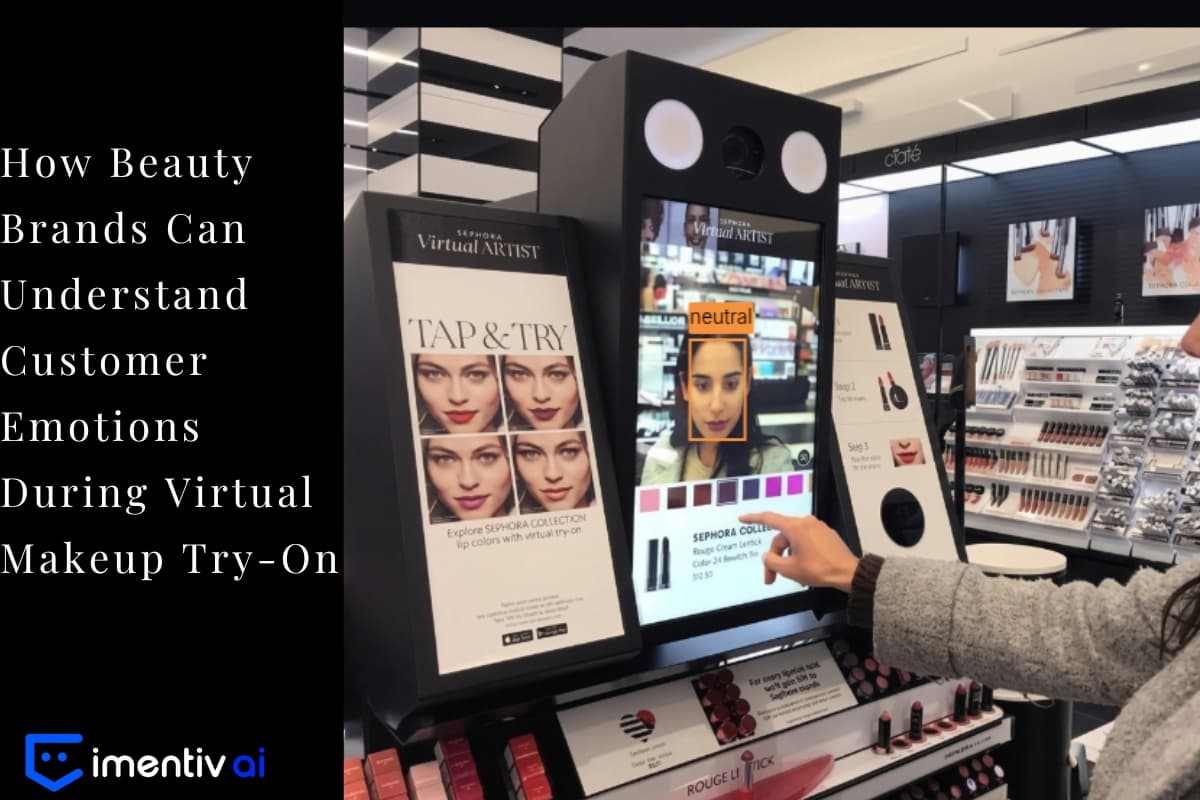
The truth behind a "neutral" score. When someone gives your product a 6 out of 10, that number alone rarely tells you the full story. Emotion AI tells you where the experience broke down, which moment caused the drop, and what the emotional context was around it.
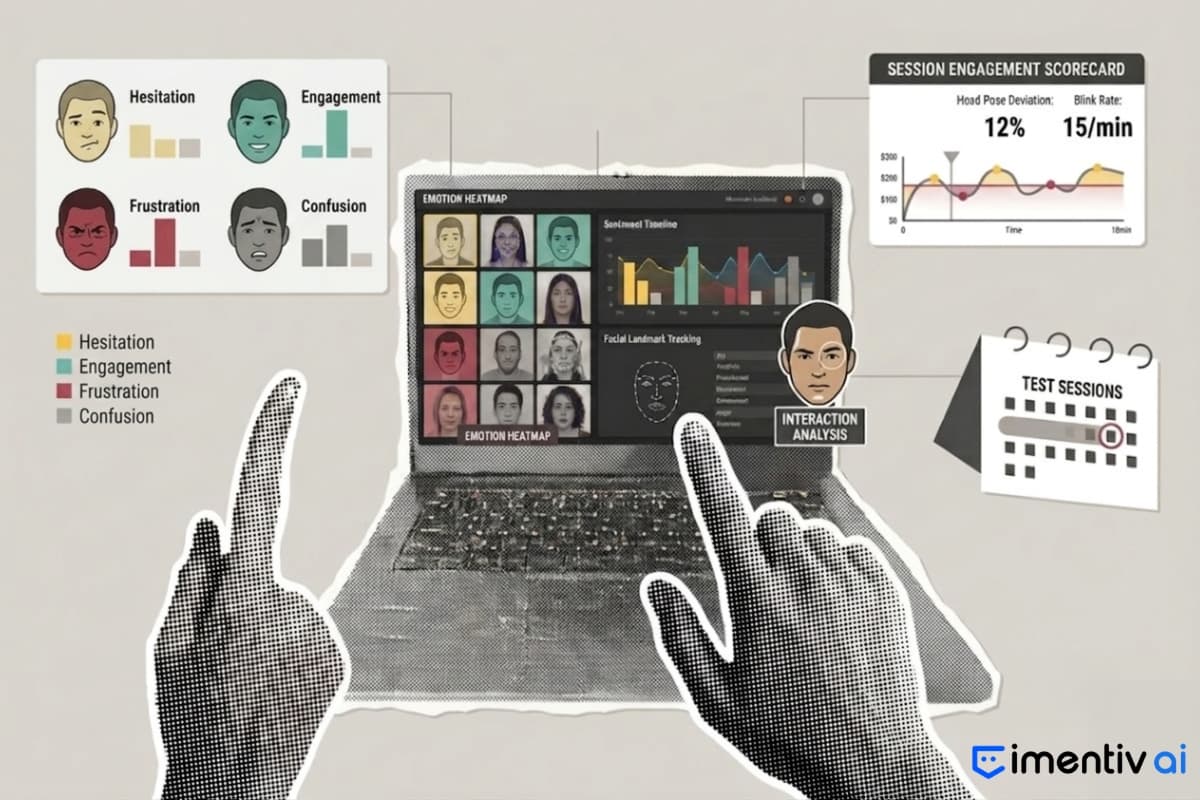
That’s the insight that actually drives a better product. Imentiv AI captures emotional and behavioral responses as they happen, reducing reliance on self-reported feedback alone. Its multimodal approach combines facial expression analysis, audio emotion detection, and text emotion recognition to deliver a more complete emotional picture, while enabling remote research workflows that can be up to 4x faster than traditional methods.
Real Emotions, Real Examples
We actually put this to work on a real product testing video. In a YouTube Shorts review of several smartwatches, including the Apple Watch Ultra 2 and the Samsung Galaxy Watch 3, Imentiv AI analyzed the reviewer's facial expressions, vocal tone, and transcript simultaneously. What came back wasn't just "positive" or "negative." The analysis revealed moments of restrained approval, subtle confusion, and measured enthusiasm, emotional nuances that a simple rating scale could never capture. You can read the full breakdown of this Emotion AI product testing analysis on our blog. That's exactly the kind of depth product teams need. Not a number. A story.
How Imentiv AI Fits Into Your Existing Testing Workflow
You don’t need to rebuild your research process from scratch. Emotion AI works alongside the workflows you already use. Run your usual testing session and analyze reactions in real time with Imentiv AI as participants interact with your product. Instantly visualize emotional patterns across the entire experience and compare them against survey responses to uncover the gap between what users said and what they actually felt. That gap is often where the most valuable product insights emerge.
For teams running ad analysis alongside product testing, Emotion AI becomes even more valuable. You can evaluate both the product experience and the emotional impact of the messaging around it within the same workflow, understanding not just how the product performs, but how people emotionally respond to the story being told around it. Emotional engagement has consistently been linked to stronger brand recall, deeper user connection, and long-term loyalty. Products that create meaningful emotional moments don’t just get used, they get remembered and recommended.
Conclusion
Product testing has always been about getting closer to the truth. The problem is that traditional methods ask people to tell you the truth, and people are limited in how well they can do that. Emotion AI doesn't ask. It observes. It captures what your testers genuinely feel, in real time, at every stage of their interaction with your product. That's not just a better research method. It's a fundamentally more honest way to build products people will actually love. If you're ready to go beyond what your testers are saying and start seeing what they're feeling, explore Imentiv AI's product testing capabilities or get in touch with our team to get started.