Brand Experience Is Emotional. So, Why Are You Still Measuring It With Surveys?
Think about the last time a brand genuinely surprised you. Maybe it was an ad that gave you chills. A product unboxing that made you smile without thinking. A customer service interaction that felt almost too human.
You didn't fill out a form to feel any of that.
And yet, most brands are still relying on star ratings and NPS surveys to understand their brand experience. They're asking customers, "How did that make you feel?" and trusting the answer.
Here's the problem: people are notoriously bad at explaining their own emotions. Research consistently shows a gap between what we ‘say’ we feel and what we ‘actually’ feel. That gap is costing brands conversions, loyalty, and revenue every single day.
That's where Brand Experience Management meets Emotion AI. And the combination is genuinely exciting.
Why Emotional Brand Experiences Drive Growth
Growth isn’t driven by products alone. It’s driven by how people feel when they interact with your brand. Brand Experience Management (BXM) is the strategic process of shaping those emotional experiences across every touchpoint, from ads and websites to customer interactions, social content, packaging, and product usage. The goal is to create consistent, memorable experiences that build trust, loyalty, and long-term brand connection
The reason BXM matters so much is simple. Brand advocates are 50% more likely to influence a purchase. When your brand creates genuinely good emotional experiences, those experiences spread. When they don't, they also spread, just in the wrong direction.
BXM is often confused with CXM (Customer Experience Management). They overlap, but they're not the same. CXM focuses on the customer's journey after they engage with your product. BXM starts earlier, shaping perception before a purchase even happens, and continues long after.
Why Traditional BXM Measurement Is Letting You Down
Most BXM measurement tools capture what people say, not what they feel. That difference is bigger than most marketers realize.
Surveys, focus groups, and NPS scores have real value. But they all suffer from the same flaw: self-reporting bias. When you ask someone how your ad made them feel, you're asking them to consciously reflect on a subconscious reaction. The data you get back is filtered through memory, social desirability, and plain old imprecision.
Consider this: it takes 12 positive customer experiences to make up for just one negative one. That's a brutal ratio. And if your measurement tools aren't catching the friction points where negative emotions spike, you're flying blind.
There's also a timing problem. By the time the survey data comes back, the campaign will have run. The product has launched. The moment has passed. You're making decisions for the future based on lagging indicators from the past.
Emotion AI solves both problems.
What Is Emotion AI and How Does It Work?
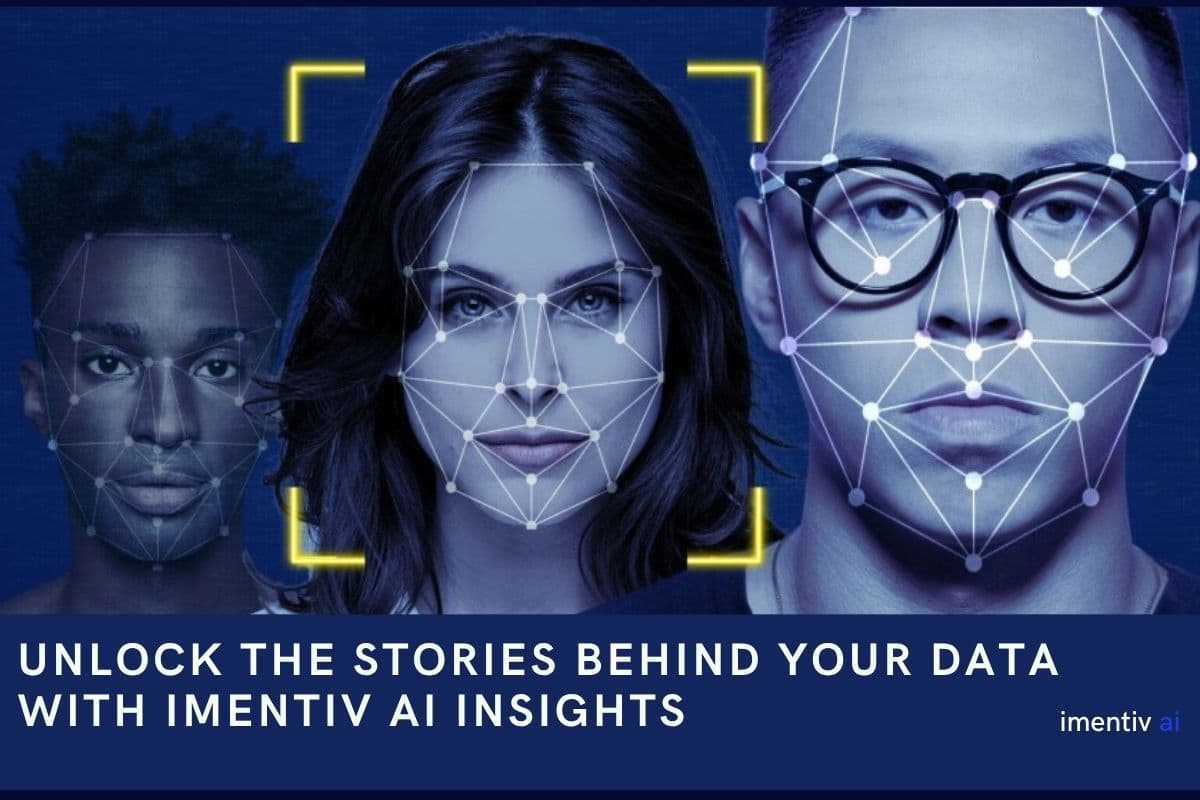
Emotion AI uses machine learning to analyze facial expressions, voice tone, body language, and text to detect what a person is actually feeling, in real time.
Imentiv AI's platform takes this further with multimodal emotion recognition. That means instead of relying on just one signal (say, a facial expression), it analyzes multiple signals at once, including video, audio, and text, to build a fuller, more accurate picture of emotional state.
You can learn more about how this works in our video emotion recognition deep dive.
This multimodal approach matters because human emotion is rarely expressed through one channel alone. A customer might smile at your ad while their voice tightens slightly in a feedback recording. A single-channel tool misses that. Imentiv AI doesn't.
88% of marketers are already using Emotion AI in their daily work in 2025. The brands that get ahead are the ones using it not just for content creation, but for genuinely understanding how their brand lands emotionally.
5 BXM Touchpoints Where Emotion AI Makes the Biggest Difference
This is where things get practical. Here are five areas where Emotion AI directly strengthens your BXM strategy.
1. Ad Testing and Campaign Analysis
Before you spend a dollar on media, you can understand how your creative actually makes people feel. Imentiv AI analyzes emotional peaks and drops frame by frame across your video ads, showing you exactly where attention spikes and where viewers disengage.
2. Product Testing Sessions
Traditional product testing relies heavily on verbal feedback. But the face of a test participant often tells a more honest story. Emotion AI in product testing captures genuine reactions, delight, confusion, frustration, and indifference, in the moment they happen.
3. User Testing for Digital Experiences
A user might complete your onboarding flow without saying anything negative. But if their expressions show frustration throughout, your retention is at risk. User testing with Emotion AI reveals the emotional texture of the digital journey, not just whether people finished it.
4. Sales Webinars and Presentations
Your sales team's tone and delivery affect close rates more than most leaders realize. Sales webinar emotion analysis gives you data on how prospects are responding, helping you refine scripts, pacing, and emotional hooks.
5. Content and Brand Storytelling
When you're crafting the voice of your brand across channels, emotional response data from previous content tells you what resonates and what falls flat. That's not a gut instinct. That's a strategy.
The Direct Link Between Emotional Insights and Higher Conversion
Brands that understand and optimize for emotional response consistently outperform those that don't. The data on this is striking.
Emotionally connected customers demonstrate 306% higher lifetime value compared to those who are merely satisfied. That's not a marginal difference. That's a business transformation.
And it's not just about loyalty. 56% of customers become repeat buyers after a positive, personalized experience. Personalization that's grounded in real emotional data, not demographic assumptions, is what creates that feeling of being understood.
Analyzing customer sentiments, emotions, preferences, and behaviors with AI drives brand loyalty in ways that traditional analytics simply can't match. Because loyalty isn't a rational decision. It's an emotional one.
When your BXM strategy is powered by real emotional data, every decision gets sharper. Which ad to run? Which product feature to lead with? Which messaging tone converts better in which segment? You stop guessing and start knowing.
How to Start Adding Emotion AI to Your BXM Workflow
You don't need to overhaul your entire marketing stack. Start with one touchpoint where you suspect there's an emotional disconnect between your brand intent and actual customer response.
For most teams, that's either ad creative or product feedback sessions. Both involve video content. Both can be analyzed with Imentiv AI without changing how you currently collect that content.
Upload the video. Run the analysis. See the emotional curve. Then compare it to what your survey data says. The gap between those two sources of feedback is exactly where your biggest BXM opportunities are hiding.
Once you see it, you won't want to go back to surveys alone.
What teams consistently discover at this stage is that the “gap” is rarely small or insignificant. It often reveals moments when messaging lands differently than intended, when engagement drops without an obvious reason, or when positive survey feedback masks underlying friction. These are not edge cases; they are high-impact blind spots that directly influence conversion, retention, and overall brand perception.
Conclusion
Brand experience is fundamentally emotional. Every touchpoint your brand owns either builds emotional equity or erodes it. The brands won in 2025 and beyond are the ones that have stopped guessing about that and started measuring it with real precision.
Emotion AI doesn't replace your instincts. It sharpens them. It gives your BXM strategy the honest, objective emotional data it has always needed but never had access to.
If you're ready to see what your brand actually makes people feel, explore Imentiv AI's platform or contact our team for a walk-through to get started.