Bias Mitigation
Bias mitigation refers to the intentional process of identifying, reducing, and preventing cognitive, emotional, and algorithmic biases that distort perception, decision-making, and interpersonal judgment. In psychology and technology, it involves recognizing patterns that lead to unfair or inaccurate conclusions, then applying corrective strategies to ensure clearer thinking, ethical judgment, and more objective outcomes across human and AI systems.
Bias mitigation expands into understanding how biases originate from automatic, unconscious shortcuts that shape how people interpret information, evaluate others, and make choices under pressure. Psychological processes such as confirmation bias, attribution errors, emotional reasoning, in-group preferences, and stereotyping often operate beneath awareness, influencing everyday decisions. Mitigating bias involves increasing awareness through reflective practices, practicing cognitive restructuring, using structured decision-making frameworks, and intentionally slowing down thinking to prevent impulsive, distorted evaluations.
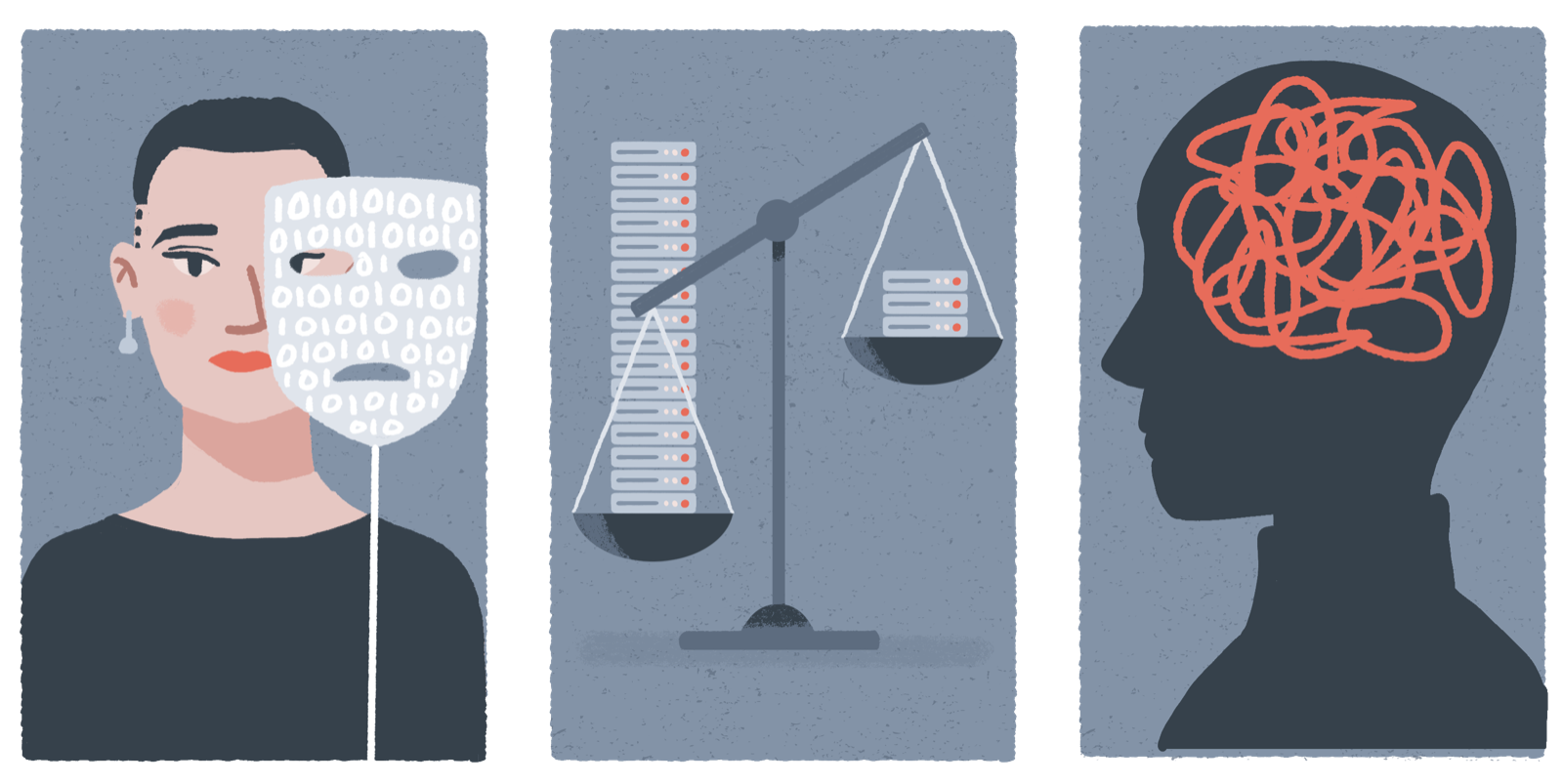
In organizational settings, bias mitigation is crucial for fair hiring, performance evaluations, conflict resolution, and leadership decisions. Strategies often include structured interviews, rubric-based assessments, perspective-taking, debiasing training, and fostering cultures that encourage accountability and transparent reasoning.
Emotion AI Application:
Emotion AI supports bias mitigation by analyzing video emotion recognition , audio emotion recognition , and text emotion recognition patterns without subjective human distortions. By providing emotion-based insights grounded in consistent algorithms rather than personal perception, here, Imentiv AI helps reduce emotional bias, mood-based misjudgments , or personal projection in assessments. Emotion AI can also flag emotionally charged communication, highlight patterns of misinterpretation, and support mindfulness-driven self-regulation . Beyond organizational reviews, Emotion AI can be integrated into therapy tools , journaling apps , coaching platforms, and digital mental health ecosystems to help users identify emotionally biased thinking and build more balanced responses.