The Influence of Faces: Exploring Emotions in Images
Images have been a part of human history since the earliest times, and they have been used to communicate stories, beliefs, and emotions. The invention of photography and the development of electronic media revolutionized our relationship with images, making them prevalent in our daily lives.
Recent advancements in artificial intelligence and machine learning, particularly in computer vision, have fueled the development of image recognition, enabling its application in various industries.
Humans can unconsciously recognize visual features, having learned from a consistent set of images. In contrast, computers view visuals as numerical data, using image processing algorithms to systematically analyze and understand images.
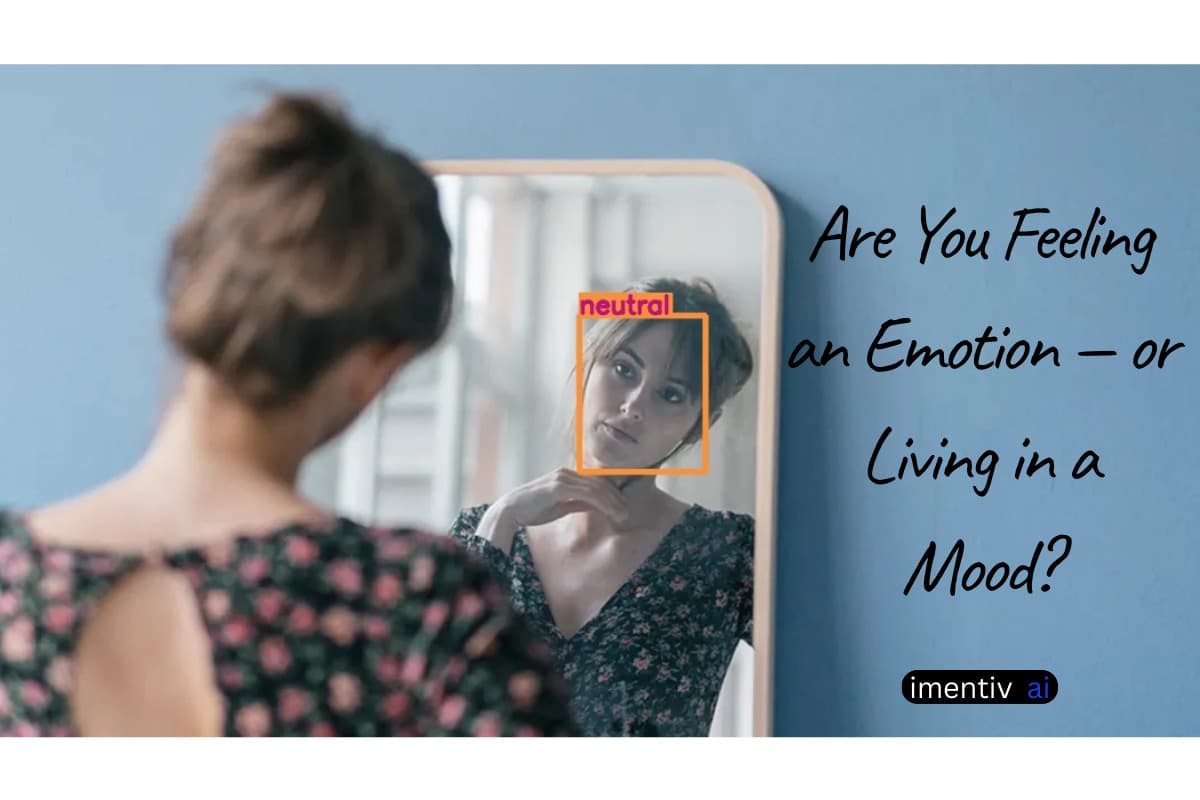
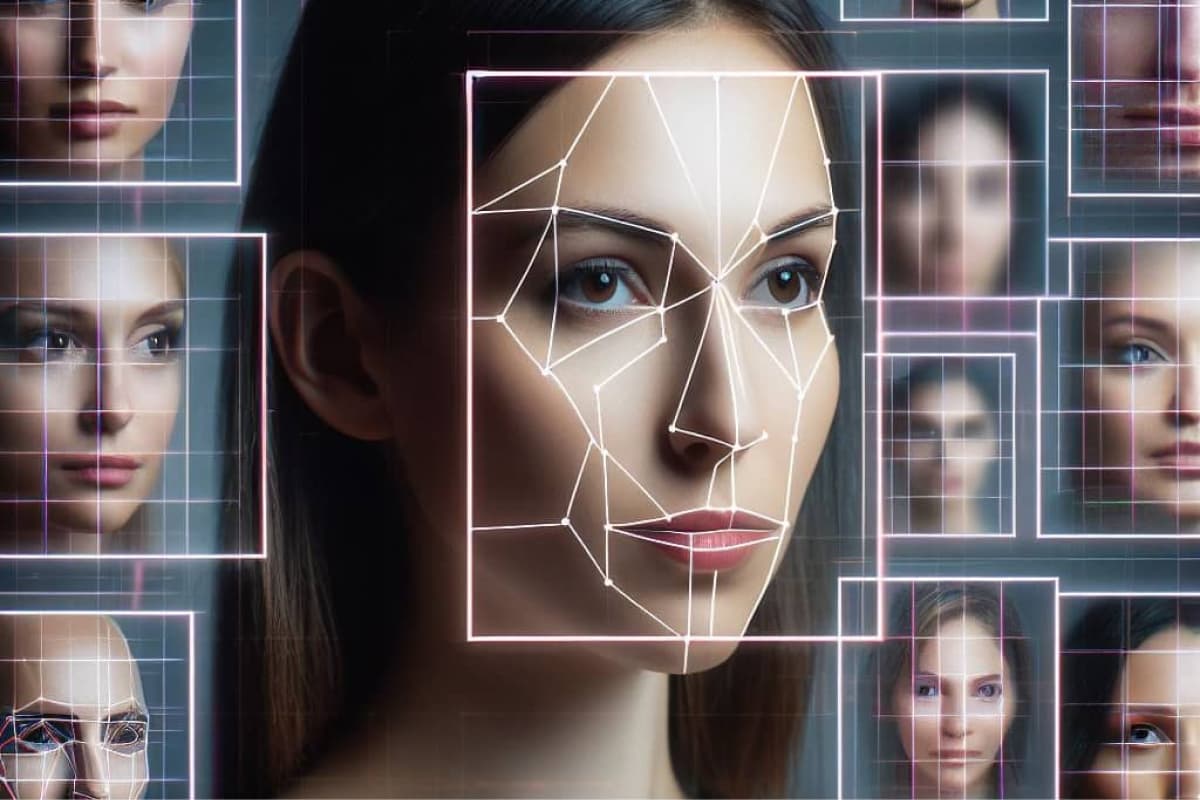
Image emotion recognition is a subfield of computer vision that deals with the automatic identification of emotions from images, particularly facial expressions. It involves analyzing facial features, such as the position and curvature of the eyebrows, eyes, and mouth, to infer the emotional state of the person in the image.
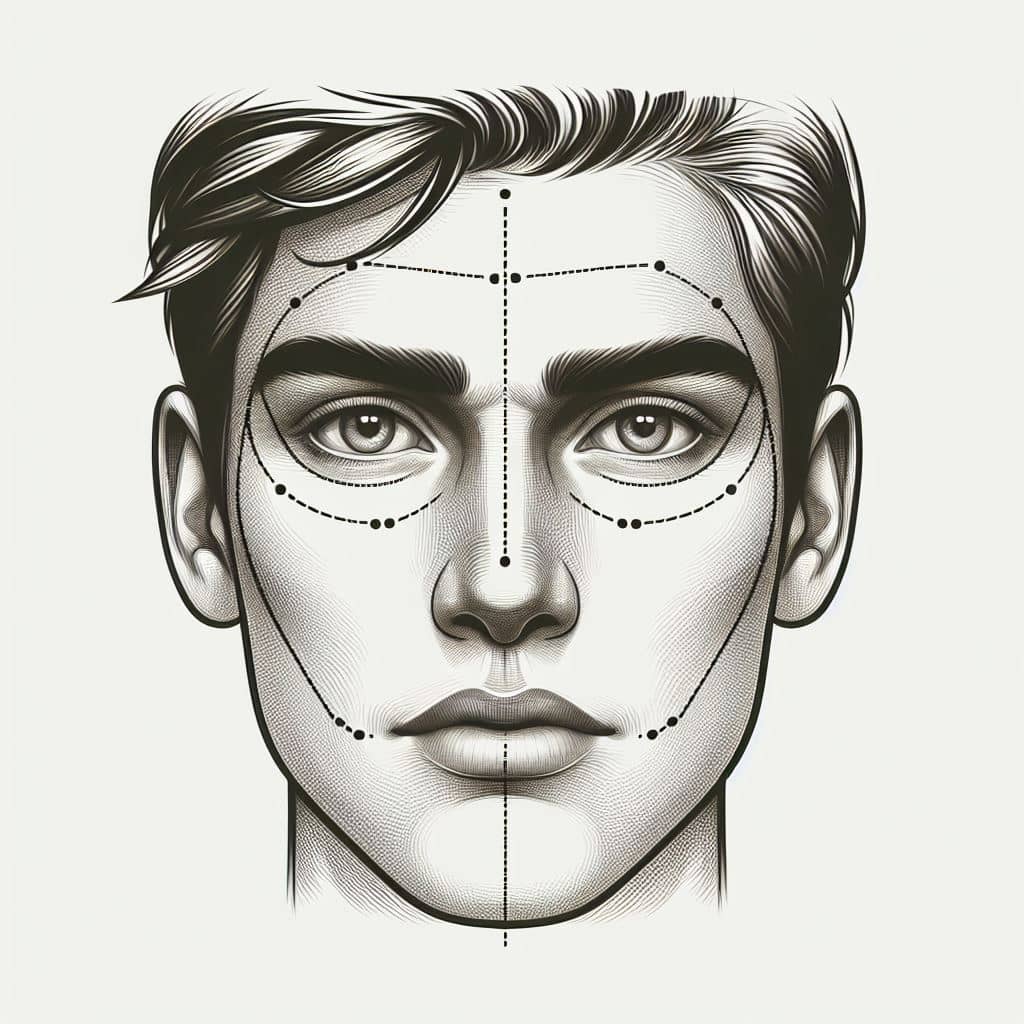
May it be the joyful smiles in a family portrait or the intensity captured in a sports moment, image emotion recognition adds a layer of understanding to visual storytelling.
Detecting Emotions from Picture
The process involves cutting-edge algorithms that meticulously analyze facial expressions, body language, and contextual cues to identify and categorize emotions displayed in a picture.
Image emotion recognition in our system involves the identification and detection of human faces from images, along with the recognition of facial emotions.
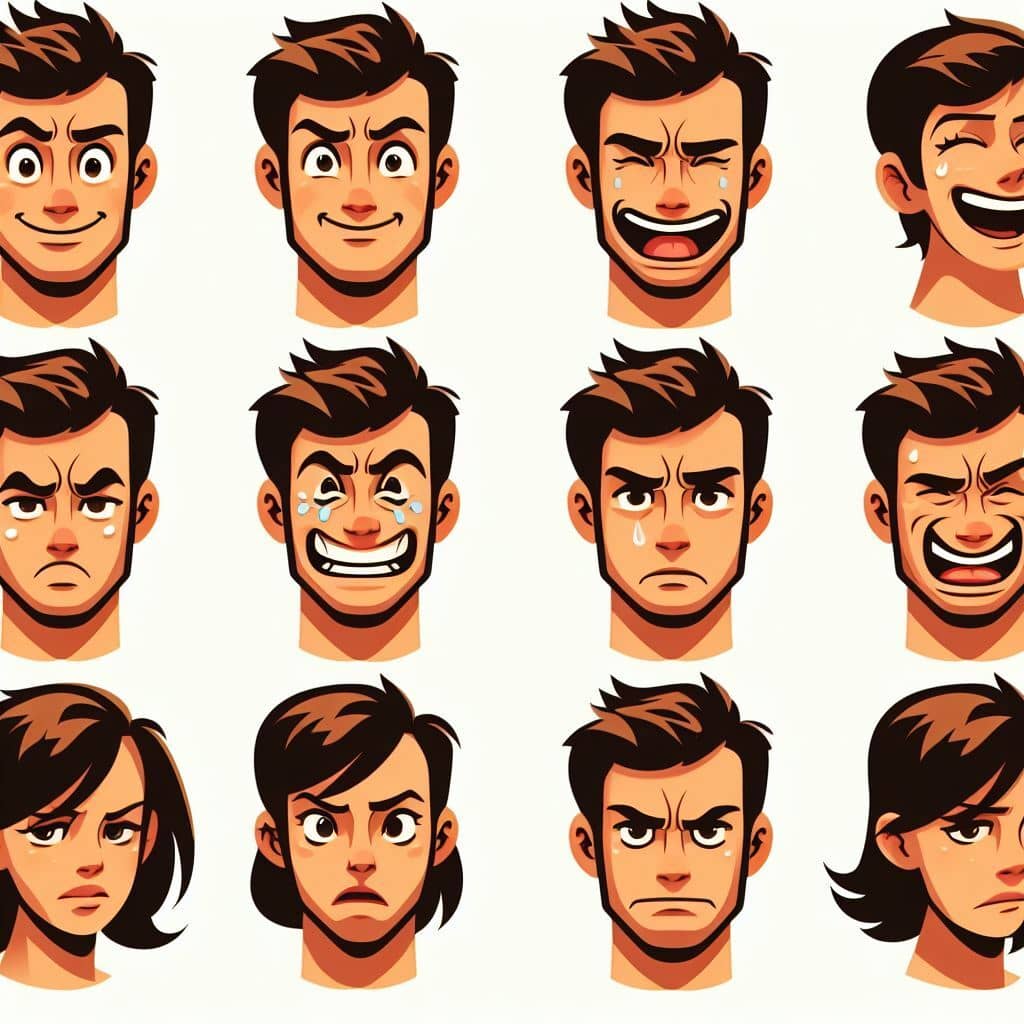
Zooming in on facial expressions, our image emotion recognition dissects the subtleties of smiles, frowns, and everything in between, providing a detailed emotional landscape within a photograph.
An exciting facet of image emotion recognition is its ability to offer insights into human emotions at scale. By processing vast datasets, AI photo analyzers can reveal face IDs and emotional patterns, providing valuable information for various fields.
Faces Across Time

When we look back at ancient times, it appears that humans created images for diverse purposes. They created images to capture their experiences for future generations or as a means of communication when a written language was absent.
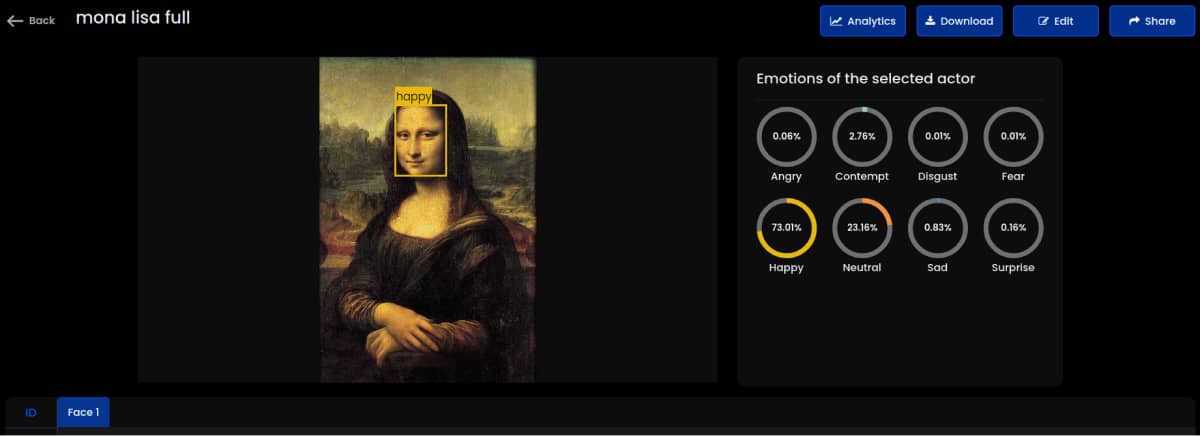
Human faces in paintings also serve as powerful conduits for expressing a myriad of emotions, capturing the complexities of the human experience on canvas.
Artists use expressions to connect with viewers, capturing feelings like joy, sorrow, and passion. In portraits, facial features evoke strong emotional reactions. Famous works like Da Vinci's "Mona Lisa" or Munch's "The Scream" show how faces can speak across time and cultures.
Paintings tell stories without words, using colors and brushstrokes to enhance emotions. The emotional depth in these artworks reflects societal influences, making a lasting connection between art and its audience.
Faces in Contemporary Media
In contrast, the impact of facial expressions extends beyond the canvas to various forms of visual media. When we transition from traditional paintings to contemporary mediums like movie trailers or product ads, the significance of human faces takes on a new dimension. The inclusion of human faces becomes even more crucial, serving as powerful tools for storytelling and connection.
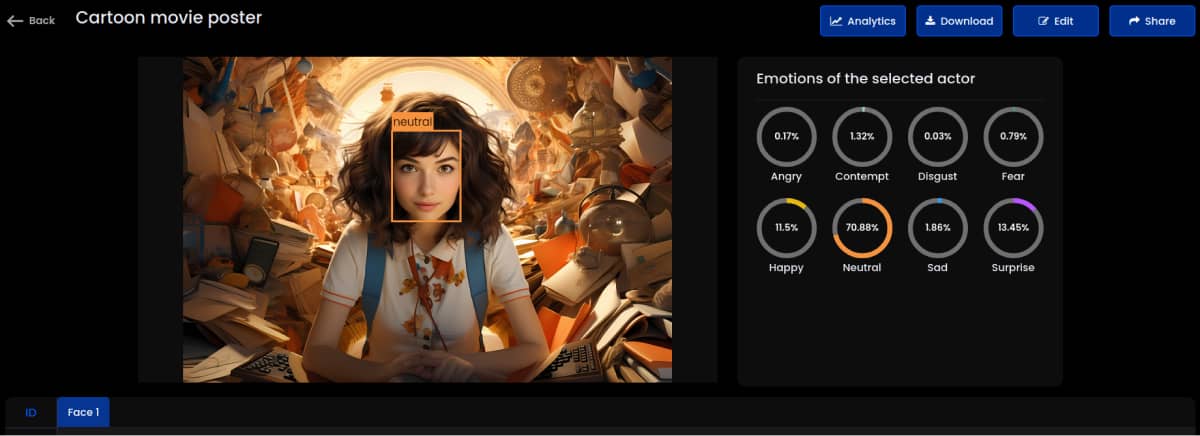
Movie trailers, product ads, and promotional content leverage human faces to create a relatable and emotive atmosphere. Unlike static paintings, the moving images on screen enable viewers to connect with the narrative or product on a personal level.
Faces in these contexts become channels for emotions, introducing a sense of authenticity that resonates with the audience. So, the combination of visual media and emotive human faces amplifies the appeal of content, boosting engagement and connection, whether in movie previews or product promotion.
The Social Impact
After exploring the significance of human faces in different settings, let's dive into research on how photos impact our online interactions.
Specifically, we'll look at a study analyzing 1 million Instagram images. The findings reveal that photos with faces are 38% more likely to get likes and 32% more likely to receive comments. Importantly, the study shows that the number of faces, their age, and gender don't significantly affect engagement.
These insights not only help us understand online user behavior better but also open doors for future studies on visual analysis in large-scale image-sharing communities.
Pareidolia: Faces Everywhere

Do you know that our brains are finely tuned face detectors? And it's a quirky fact that this knack for facial recognition is the reason we spot familiar shapes, especially faces, in the most ordinary things around us.
Pareidolia is a psychological phenomenon where our brains perceive familiar patterns or shapes, often faces, in random or ambiguous stimuli, such as clouds, rocks, or inanimate objects. It's like seeing faces in things that aren't actually faces.
This tendency to prioritize faces likely evolved to help us quickly recognize and connect with other humans, crucial for social interactions.
So, when we interpret everyday objects as faces, it's a testament to our brain's ability to find and relate to facial features, connecting back to the broader topic of human faces and their emotions in images.
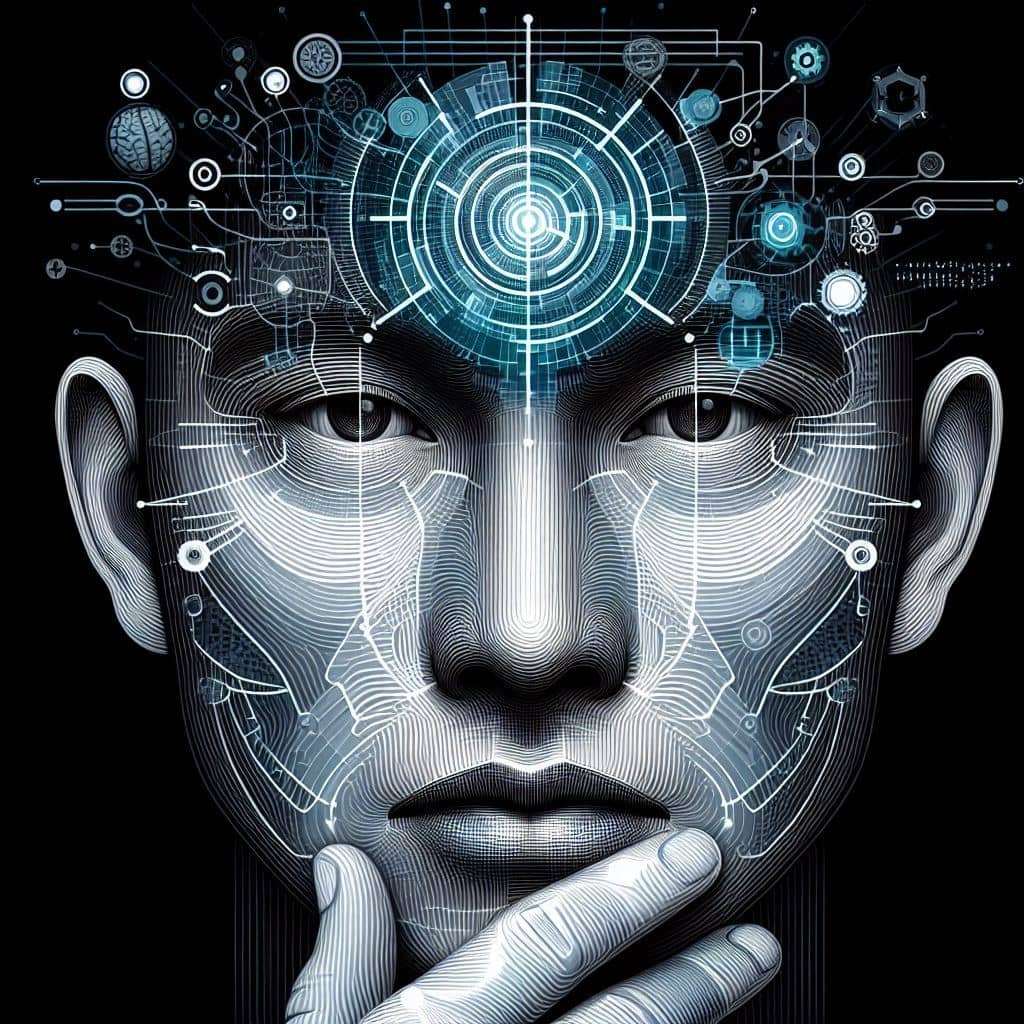
Human faces are rich sources of information, and while decoding multiple faces simultaneously may challenge human eyes, for AI, it's a swift and straightforward process, ensuring efficiency and accuracy in understanding complex emotional landscapes.
Imentiv AI’s image emotion recognition empowers users to analyze and interpret the emotional nuances captured in faces, providing a comprehensive emotion analysis report with distinct face IDs for a more insightful and personalized experience.
Try Imentiv AI’s Image Emotion Recognition for free and decode the emotions in faces.
(Imentiv AI is a groundbreaking Emotion AI solution that leverages the power of machine learning to analyze emotions from video, image, audio, text, and LinkedIn Profile. This comprehensive approach provides valuable insights into human emotions.)