Mood Tracking
Mood tracking is the systematic monitoring of an individual’s emotional states over time to identify patterns, triggers, and changes in mental well-being. By consistently observing feelings across situations and environments, it transforms subjective experiences into structured, reviewable data. This process enhances self-awareness, supports therapeutic conversations, and reveals connections between daily habits and emotional health. With Imentiv AI, mood tracking evolves further by integrating multimodal Emotion AI, capturing emotional signals across video, audio, and text for deeper, data-driven insight.
What Mood Tracking Measures
Mood tracking goes beyond simply noting whether someone feels good or bad. It captures a range of emotional and behavioral dimensions that contribute to a fuller psychological picture.
Emotional Patterns Over Time
By logging moods consistently, individuals and clinicians can identify recurring emotional cycles, seasonal shifts, or gradual changes that might otherwise go unnoticed in isolated assessments.
Triggers and Contextual Factors
Mood tracking helps link emotional states to specific contexts such as sleep quality, social interactions, physical activity, stress levels, or significant life events, revealing what reliably influences a person's emotional baseline.
Intensity and Duration
Beyond identifying an emotion, mood tracking captures how intense a feeling is and how long it persists, offering insight into emotional regulation capacity and resilience.
Behavioral Correlations
Changes in mood often correlate with shifts in behavior, such as withdrawal, increased activity, disrupted routines, or altered communication patterns, all of which become visible through consistent tracking over time.
Psychological Significance
Mood tracking has meaningful clinical and personal applications. In therapeutic settings, it supports diagnosis and treatment monitoring for conditions such as depression, bipolar disorder, and anxiety, where mood fluctuations are central to understanding a person's condition. Research consistently shows that individuals who engage in regular mood monitoring develop stronger emotional self-awareness and are better equipped to communicate their inner experiences to care providers. It also plays a preventive role, helping individuals recognize early warning signs before a mood episode escalates. However, mood tracking is most effective when it is consistent, contextually rich, and interpreted within a broader understanding of the person's life and history.
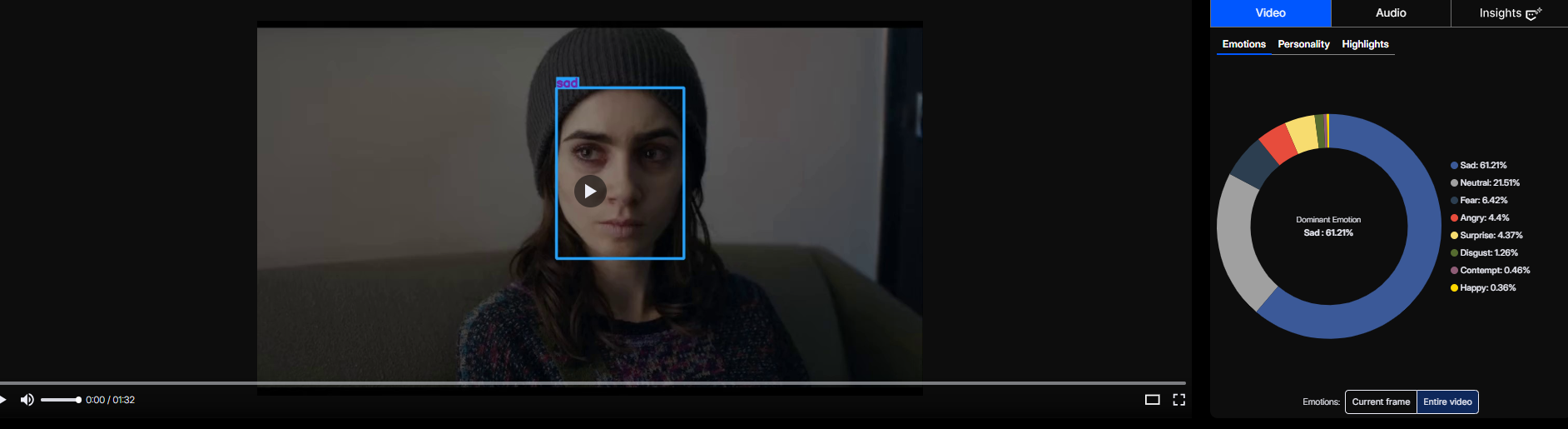
Understanding Mood Tracking Through Emotion AI
When integrated with Emotion AI, mood tracking evolves from a self-reported practice into a multimodal, real-time emotional monitoring system. Emotion AI can enrich mood tracking by examining:
- Facial expressions that reveal moment-to-moment emotional states beyond what individuals consciously report
- Vocal tone and speech patterns that reflect underlying mood shifts during conversation or daily interactions
- Textual and verbal expressions that indicate emotional reasoning, rumination, or changes in sentiment over time
- Longitudinal emotional data across sessions, enabling the identification of trends, cycles, and contextual triggers with greater precision
This approach reduces reliance on memory-based self-reporting, which can be subject to recall bias, and adds an objective emotional layer to the tracking process.
Mood Tracking in the Context of Imentiv AI
Within Imentiv AI, mood tracking is supported through multimodal emotion analysis that captures and interprets emotional signals across video, audio, and text. This enables researchers, clinicians, and developers to go beyond simple mood logs and access richer, more nuanced emotional data over time. Psychologist-reviewed insights ensure that tracked emotional patterns are contextualized thoughtfully, supporting ethical and developmentally aware interpretation rather than surface-level classification.
Conclusion
In an era of growing mental health awareness, mood tracking remains one of the most accessible and impactful tools for understanding emotional well-being. It empowers individuals to take an active role in their mental health, supports clinicians with longitudinal data, and opens new avenues for research into the relationship between emotion, behavior, and life quality. When paired with Emotion AI, mood tracking becomes not just a record of how someone feels, but a dynamic and evidence-informed window into emotional life as it unfolds.