Mental well-being
Understanding Mental Well-Being in Everyday Life
Mental well-being is not a permanent condition; it shifts with experiences, environments, and coping resources. A person with strong well-being can still feel sadness or stress, but they are able to recover, seek support, and continue functioning. Key elements include:
- Emotional regulation rather than emotional suppression
- A sense of meaning and direction
- The ability to form and maintain healthy relationships
- Adaptive coping during uncertainty or pressure
- Balance between responsibilities, rest, and personal needs
Rather than focusing only on symptoms, mental well-being emphasizes how people experience life internally and how effectively they adapt.
The Hidden Side of Emotional Health
Many emotional struggles remain unnoticed. People often mask distress behind productivity, politeness, or silence. Someone may appear calm while feeling overwhelmed, lonely, or emotionally drained. This disconnect between outward behavior and inner experience is why emotional awareness is central to well-being. Early recognition of subtle emotional strain can prevent escalation and support healthier coping, communication, and help-seeking.
Mental Well-Being Through the Lens of Emotion AI
Emotion AI expands how mental well-being can be understood by analyzing emotional signals across multiple modalities:
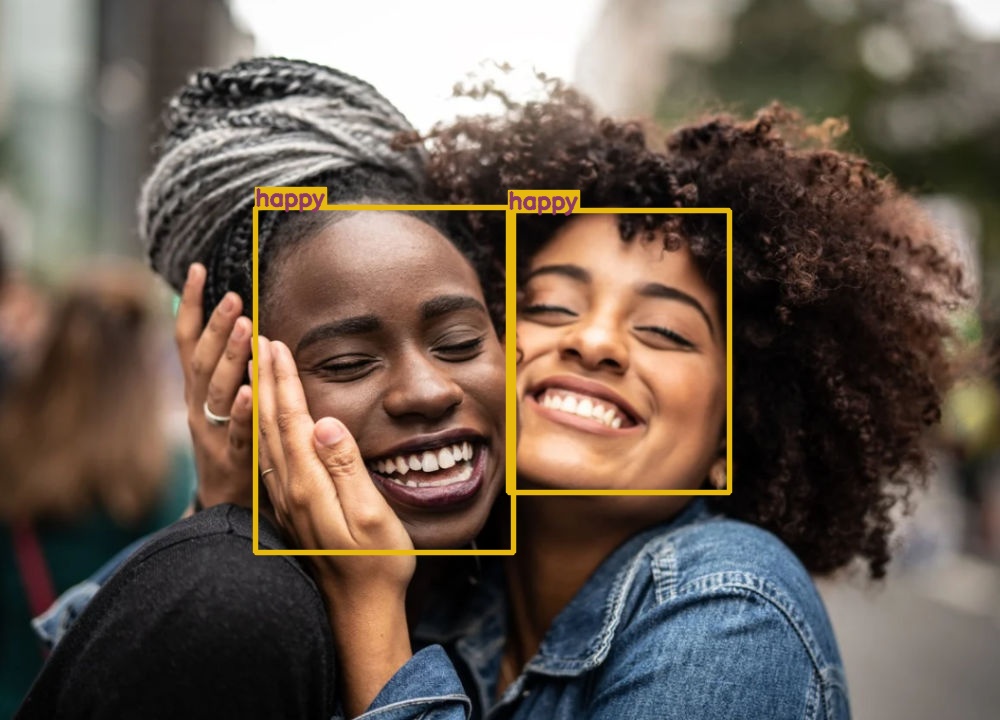
Facial analysis detects micro-expressions and subtle muscle activity linked to stress, emotional suppression, or engagement.
Voice analysis captures tone, pacing, and vocal energy, revealing tension, fatigue, or emotional intensity even when words seem neutral. Text analysis identifies emotional themes such as hopelessness, motivation, curiosity, or burnout within written or spoken language. Image-based analysis interpret facial cues in still images, adding another layer of emotional context.
Imentiv AI combines video, audio, text, and image inputs to build a multimodal emotional profile . This helps surface hidden distress, monitor emotional trends over time, and support deeper self-awareness and professional interpretation.
.png?alt=media&token=7a1c3cb0-e9c9-40f3-b5cb-56e7d025a1f9)
Supporting Well-Being, Not Replacing Human Care
- Encourages early emotional awareness and intervention
- Supports self-reflection through pattern tracking
- Assists professionals in refining personalized care
- Offers a non-judgmental channel for emotional expression, especially where stigma exists
Mental well-being grows through awareness, regulation, connection, and meaning. Technology can highlight emotional signals, but human expertise provides empathy, context, and care.
.png?alt=media&token=163d0efd-bead-47fa-aba2-9843a7bf43ed)
Why Mental Well-Being Matters Today
In a fast-paced, screen-heavy world, emotional signals are easy to overlook. Rising stress, burnout, and social disconnection make mental well-being essential for sustainable functioning. When psychological understanding is combined with responsible Emotion AI, individuals and professionals gain clearer insight into emotional patterns, enabling earlier support, better decisions, and healthier long-term outcomes. Want to understand what your emotions may be revealing beneath the surface? Explore how Imentiv AI tool can deepen emotional awareness and support mental well-being in personal and professional settings.