Anger Emotion
Anger is a basic human emotion that appears when someone feels hurt, threatened, or treated unfairly. It can range from mild annoyance to strong frustration or rage. Anger often shows up physically—like a tight jaw, a louder voice, faster heartbeat, or tense body movements. It pushes people to react, defend themselves, or fix a situation they believe is wrong.
Even though anger is seen as negative, it has an important role. It tells us that something needs attention or change. Healthy anger can help people stand up for themselves, set boundaries, and address problems. But when anger becomes too strong or uncontrolled, it can lead to arguments, stress, or impulsive behavior.
In psychology, anger is considered a high-energy but unpleasant emotion, often happening when someone’s goals are blocked or when they feel disrespected or unsafe.
Paul Ekman’s Perspective
Paul Ekman identified anger as one of the six basic emotions shared across cultures. In his Facial Action Coding System (FACS), he showed that anger is often expressed through clear facial signs such as lowered and drawn-together eyebrows (AU4), tightened or pressed lips (AU23/24), flared nostrils (AU38), and a fixed or intense gaze.
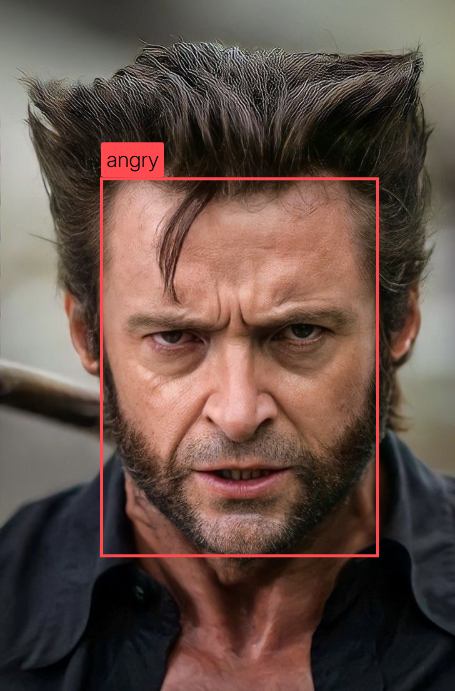
Ekman also noted that anger can be seen in the whole body and voice—not just the face. People may stand more stiffly, move sharply, or speak louder and faster. His work shows that anger is a strong social signal that something feels wrong or unfair. Recognizing these signs helps tell the difference between healthy assertiveness and harmful aggression.
Anger in Emotion AI
Emotion AI detects anger by analyzing facial expressions, voice patterns, and words together.
Facial Emotion Recognition:
Look for signs like furrowed brows, narrowed eyes, tense mouth, or clenched jaw.
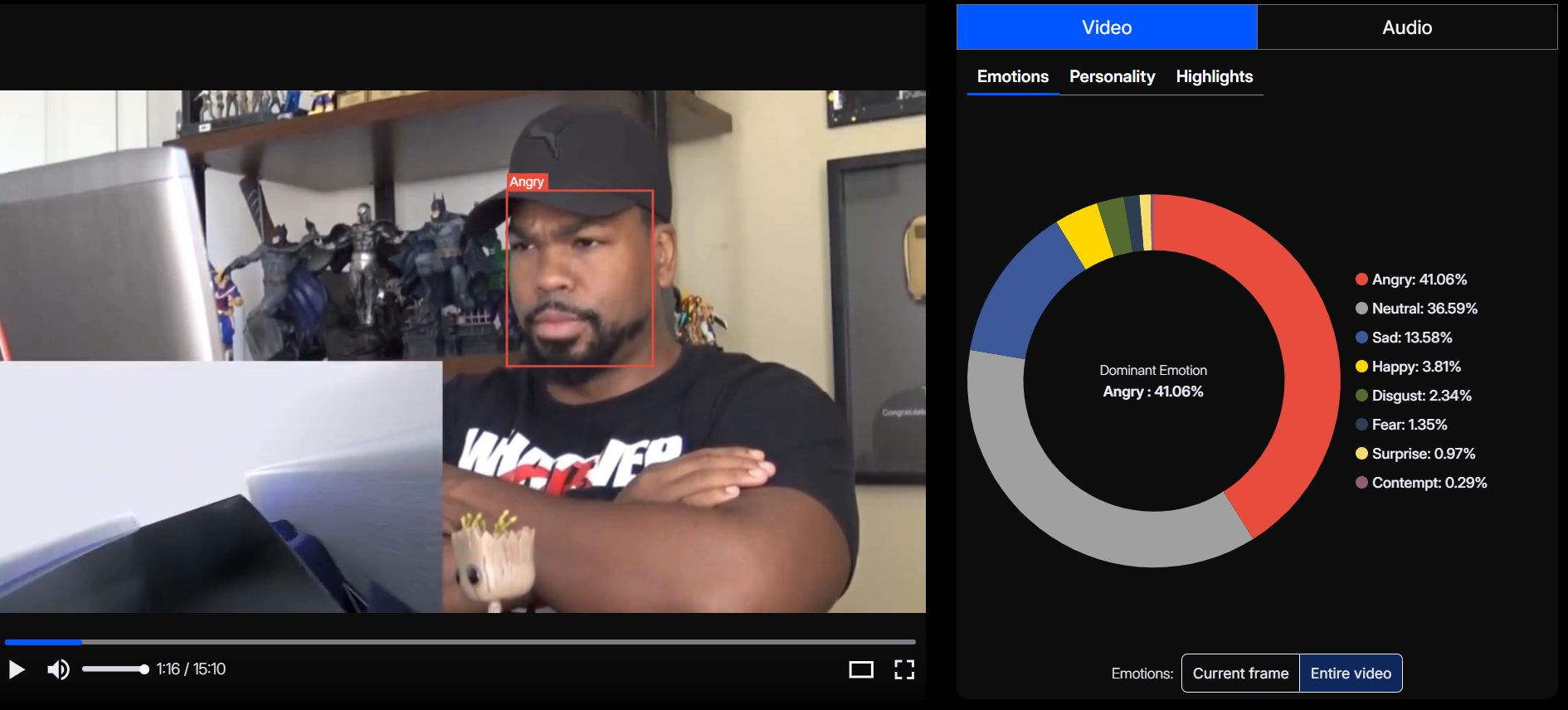
A video analyzing the user’s visual reactions during a PlayStation 5 experience was processed using Imentiv AI, and anger emerged as the dominant emotion. The analysis shows a strong anger score of 41.06%, with expressions indicating frustration or dissatisfaction at key moments. Neutral and sad cues are present but secondary to the clear signs of irritation. Overall, the results highlight that the user’s emotional response throughout the clip is primarily driven by anger.
Audio Emotion Recognition:
Notices cues such as louder volume, sharp tone, faster speaking, or a tense voice.
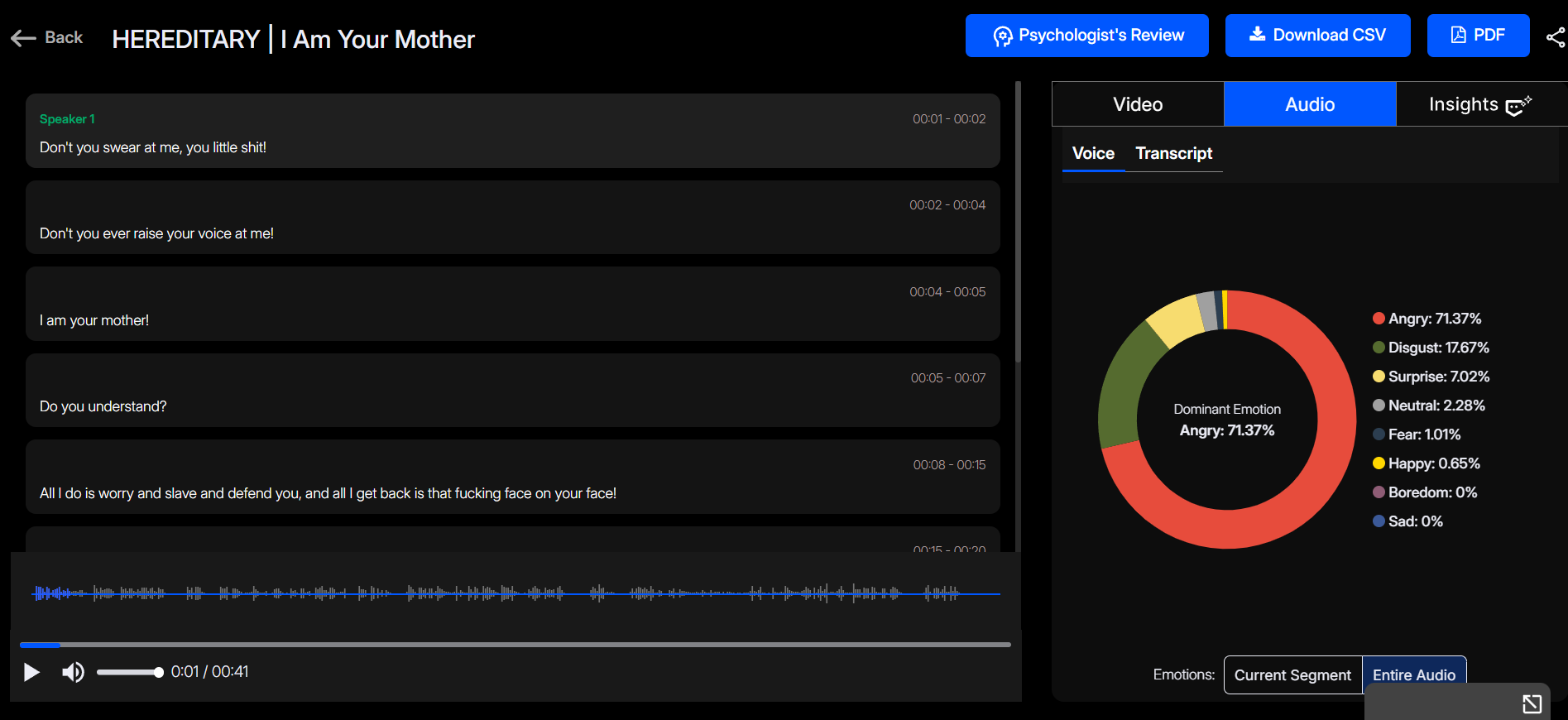
Audio from the movie Hereditary was analyzed using Imentiv AI, and anger was detected as the dominant emotion. The sharp tone, raised voice, and aggressive delivery contribute to a strong anger score of 71.37%. The dialogue is filled with frustration and confrontation, reinforcing the overall angry tone of the scene. Overall, the analysis shows that the clip effectively captures the heightened tension and rage intended in this moment.
Text Emotion Analysis:
Finds words or phrases that show irritation, frustration, conflict, or strong negative reactions.
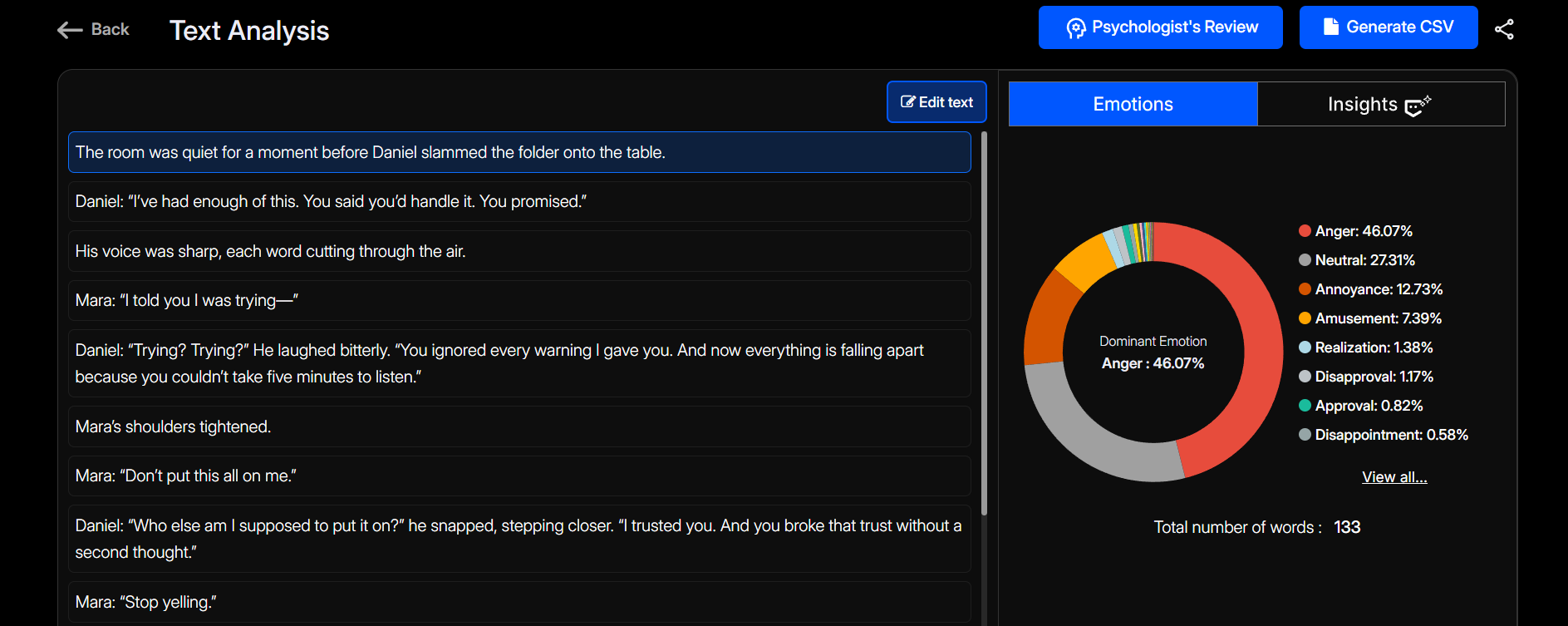
The text conversation was analyzed using Imentiv AI. The system processed an intense exchange between two speakers and detected anger as the dominant emotion. The emotional breakdown shows anger as the dominant emotion, driven by sharp language, escalating tension, and confrontational exchanges. Overall, the analysis clearly shows that the conversation conveys a highly charged and emotionally heated moment.
In workplaces, customer interactions, or research settings, anger can be a sign of dissatisfaction, stress, or a deeper emotional need. Emotion AI uses multiple clues and context to understand whether the person is mildly annoyed, frustrated, or genuinely angry—helping create more thoughtful and supportive responses.
Unlock deeper emotional insights with Imentiv AI—detect anger, understand its triggers, and respond more effectively.